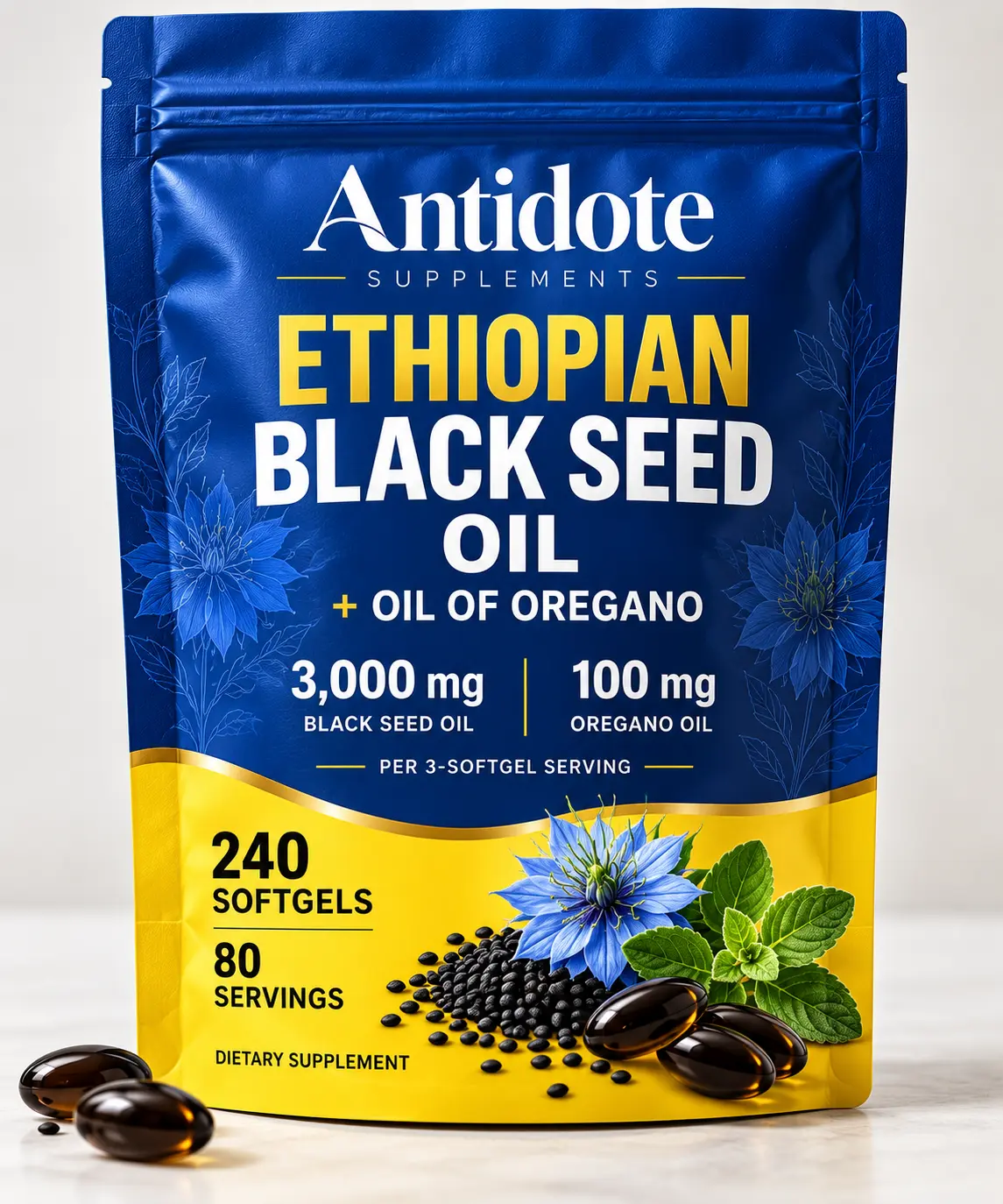
Natural Support for Seasonal Allergies: Black Seed Oil and More
What may help during pollen season — and what to try first.
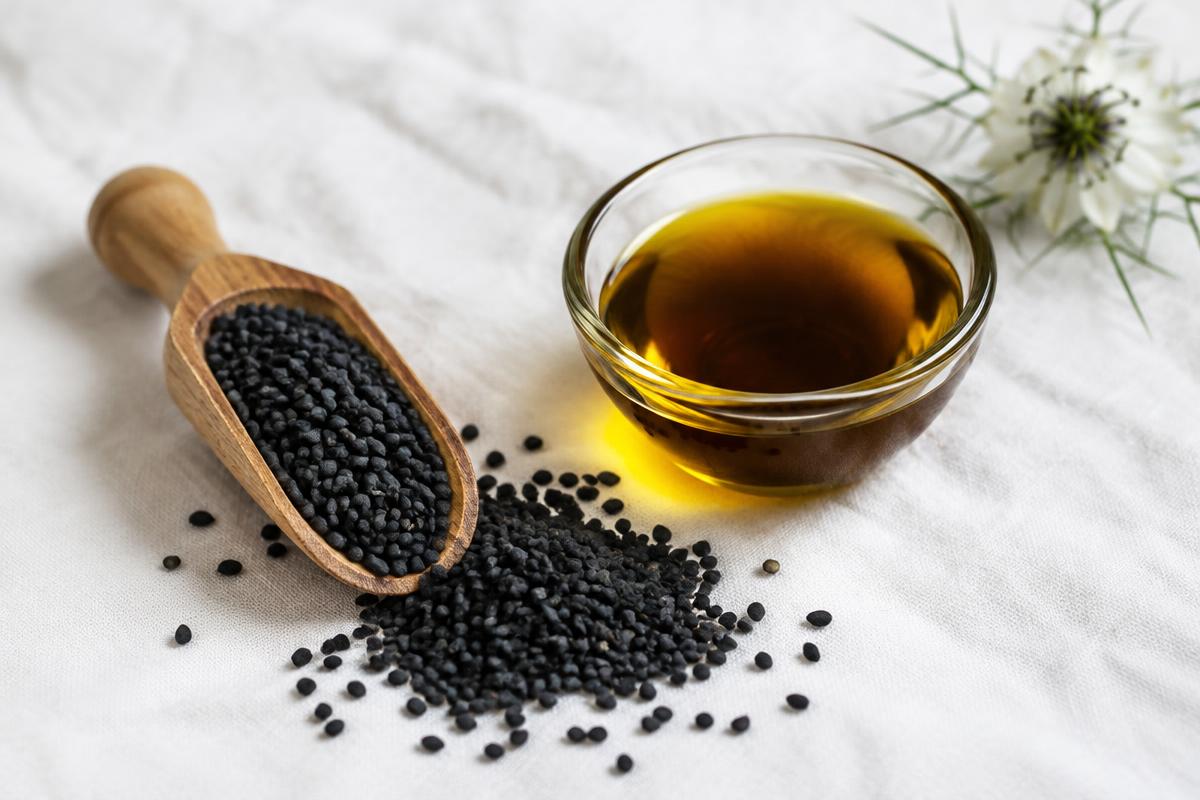
Key takeaways
- Black seed oil has small-trial evidence for allergic rhinitis symptoms.
- Avoiding pollen and saline rinses are simple, proven steps.
- Antihistamines remain first-line treatment.
Seasonal allergies (hay fever) are triggered by pollen from trees, grasses and weeds.
Can black seed oil help?
Clinical research on allergic rhinitis found reduced sneezing and congestion with Nigella sativa.[1] Read the details in black seed oil for allergic rhinitis.
Practical steps
- Check daily pollen forecasts.
- Wear sunglasses outdoors.
- Wash bedding weekly in hot water.
- Start allergy medicine before the season begins.
Frequently asked questions
Can I take black seed oil with antihistamines?
No direct interaction is known, but check with a pharmacist.
The bottom line
Black seed oil may ease hay fever symptoms a little. Combine it with pollen avoidance and standard treatment.
Read this next
Black Seed Oil
What Does Black Seed Oil Taste Like?
Bold, bitter and peppery — here's what to expect from black seed oil's taste, and how to skip it.
Black Seed Oil
Is Black Seed Oil a Binder? What the Term Actually Means
'Binder' is a wellness term, not a medical one. Here's where black seed oil and oregano oil fit.
Skin
Black Seed Oil for Hair Loss: Does It Help Hair Grow Back?
What small studies show about black seed oil for thinning hair, and how it compares with proven treatments.
Skin
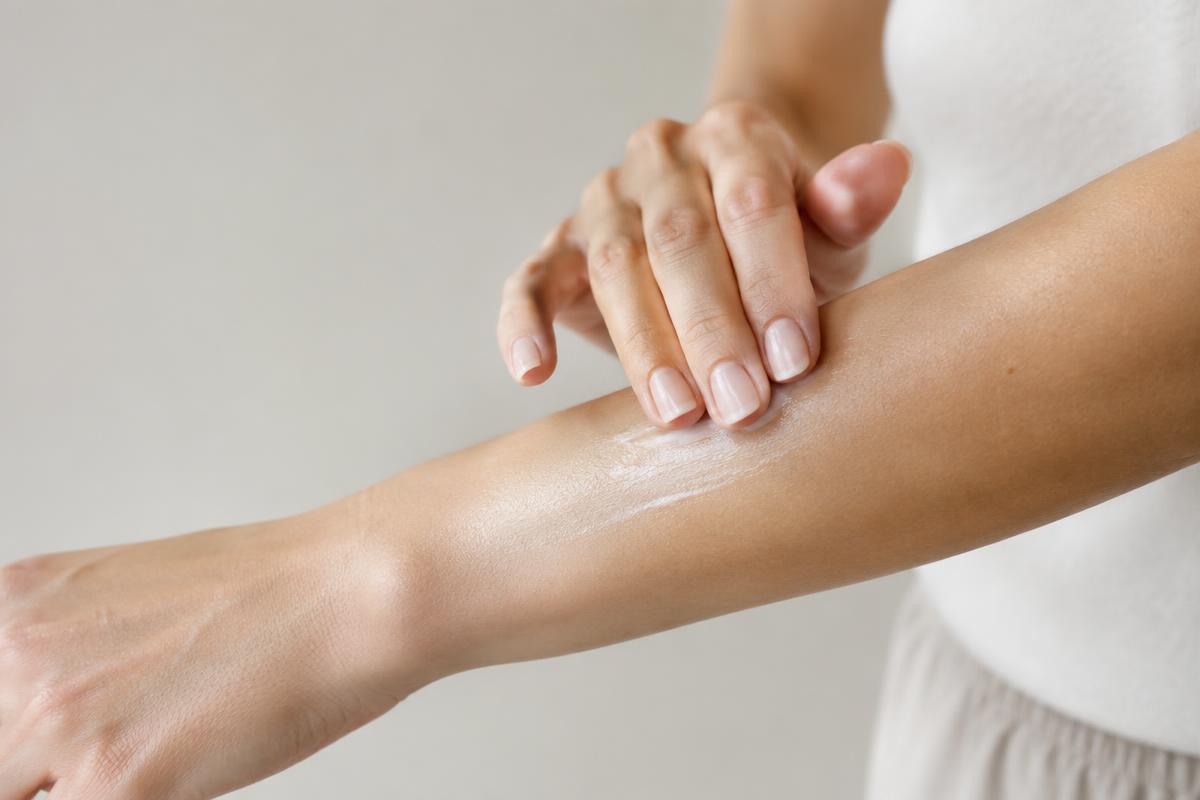
Black Seed Oil for Acne: Can It Clear Breakouts?
A clinical trial found a black seed gel reduced acne. Here's how to use it safely.
Skin
Black Seed Oil for Psoriasis: Face, Scalp and Body
What's known about black seed oil for psoriasis plaques — and how it fits with medical treatment.
Metabolic Health
Black Seed Oil for Type 2 Diabetes and Blood Sugar
Meta-analyses suggest black seed modestly lowers blood sugar. Here's what that means for you.