Australia
Organic Black Seed Oil: Is It Worth Paying More in Australia?
Learn what an organic claim can tell you, how to check certification and when a price premium fits your own buying priorities.
Key takeaways
- Organic is a production claim, not a guaranteed health outcome.
- Check what any certification actually covers.
- Compare the delivered price per labelled serving alongside your sourcing priorities.
Organic black seed oil can be worth considering if farming and sourcing practices are important to you. A well-supported claim adds information about how an ingredient was produced, helping you choose according to your priorities.
Whether that information is worth a higher price is a personal buying decision. It should not depend on an assumed medical advantage. This Australian guide focuses on the organic premium, rather than ranking every oil by strength or origin.
What does organic describe?
Organic refers to production practices or a certification claim. The ACCC explains that businesses making organic claims must be able to substantiate them, and that certification representations must be accurate.[1] Read the actual wording instead of treating every green symbol as a verified certification.
The term does not identify the botanical species or establish that a product is a single-ingredient oil. For black seed oil, still look for Nigella sativa and a complete ingredient list.
What should you check on a certificate?
- The certifying organisation and a way to verify the claim.
- The operator or product named in the certificate.
- Whether it covers the seeds, the oil or the finished product.
- Whether the certificate is current and relevant to the seller's claim.
- How any additional ingredients fit the claim.
A supplier's certificate for one ingredient is not automatically certification of every product a brand sells. If the scope is unclear, ask the seller before paying extra. A logo without supporting details is not enough to answer these questions.
Organic, Ethiopian and cold-pressed are different descriptions
Ethiopian is an origin claim. Cold-pressed is a processing description. Organic concerns production or certification. A bottle may use one or several of these descriptions, but one does not prove the others.
For example, a stated seed origin does not establish organic certification. Mechanical pressing does not certify how the crop was grown. Keeping these claims separate makes price comparisons more meaningful.
Does organic mean more thymoquinone or better results?
An organic claim alone does not supply a batch-specific thymoquinone result. Ask for relevant testing if composition matters to your decision. Likewise, organic should not be translated into a guarantee of zero residues or zero contaminants.
A 2023 overview of Nigella sativa meta-analyses found mostly low or very low certainty for evaluated health outcomes.[2] It does not establish that certified-organic black seed oils produce better clinical outcomes than other oils. Certification and human effectiveness are separate evidence questions.
How to judge the price premium
Start with two products that match your needs: the same botanical ingredient, intended use and broadly comparable preparation. Then compare the current delivered price and each label's serving information. A larger bottle is not necessarily lower cost per labelled serving.
You may reasonably pay more for verified sourcing practices that matter to you. You may also choose a clearly labelled oil without an organic claim. Neither choice requires inventing a guaranteed health advantage for the more expensive option.
Where the Antidote Supplements example fits
Antidote Supplements is sold on this site and offers Ethiopian Black Seed Oil in a 50 mL liquid. We do not verify organic certification for it in this guide, so it is not presented as a certified-organic recommendation. Ask for current documentation if that is essential to your purchase.
The owner confirms delivery to Australia. Use the checkout for current costs. The separate 240-softgel product also contains oregano oil extract, so do not compare its total blend weight as though it were the same standalone liquid.
Certification does not replace suitability advice
Discuss supplements with a pharmacist or doctor if you take medicines, are pregnant or breastfeeding, or have a health condition. An organic label does not remove the need to consider interactions, allergies or the product's directions.
For persistent symptoms, keep appropriate medical assessment in place. Sourcing preferences can inform a thoughtful purchase without becoming a reason to delay care.
The bottom line
An organic premium may be worthwhile when the claim is verified and the production practices matter to you. It does not guarantee more TQ or better clinical results. Compare certification scope, complete ingredients and delivered cost rather than relying on a green label alone.
Medical reviewer
Dr Hemal Patel
General Practitioner
Read this next
Black Seed Oil
Cold-Pressed Black Seed Oil: Why the Extraction Method Matters in Australia
Understand mechanical pressing, heat and processing claims, plus the batch information that matters more than a cold-pressed label alone.
Buying Guides
Black Seed Oil in Australia: How to Choose a Good One
Compare purity, batch information, serving size and delivered value when shopping for standalone black seed oil in Australia.
Comparisons
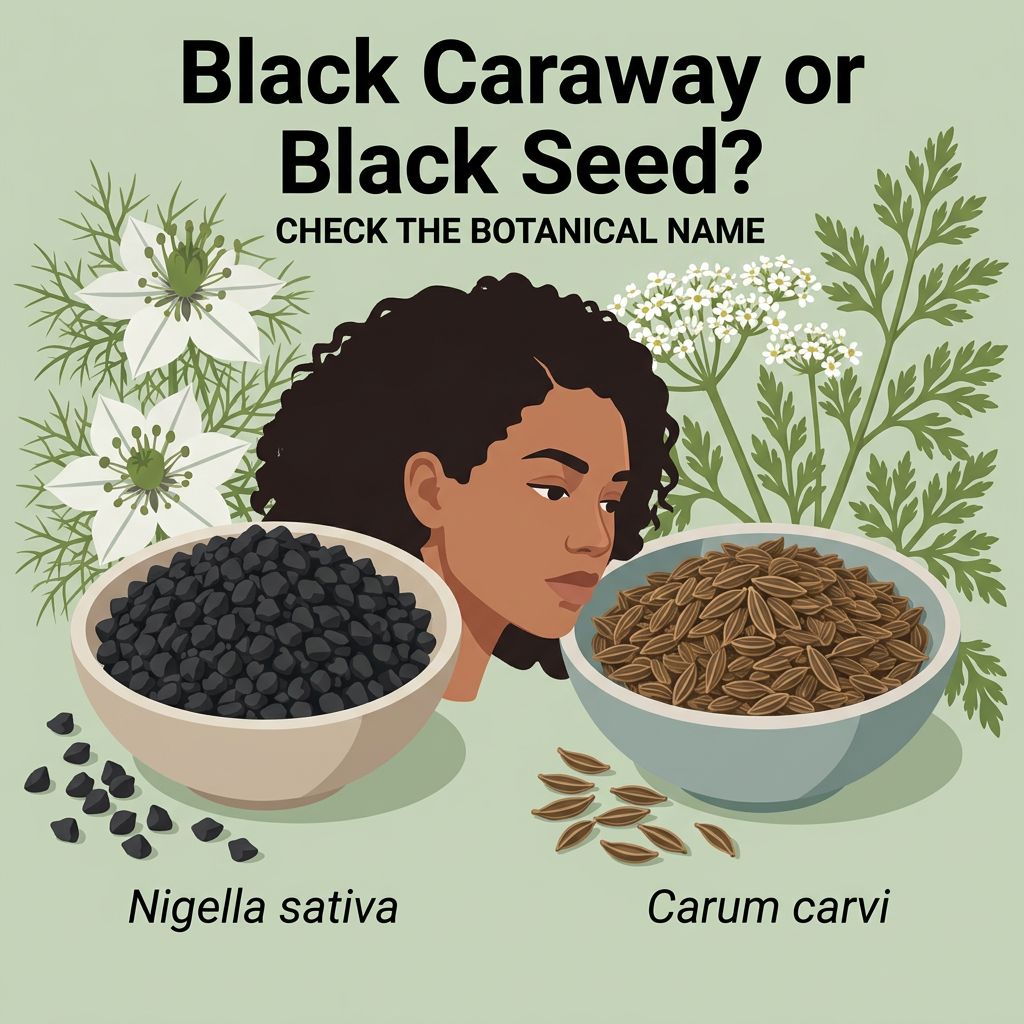
Black Caraway Seed Oil: Is It the Same as Black Seed Oil? An Australian Label Guide
Why botanical names matter when Australian shops use black caraway, black cumin and black seed on different labels.
Comparisons
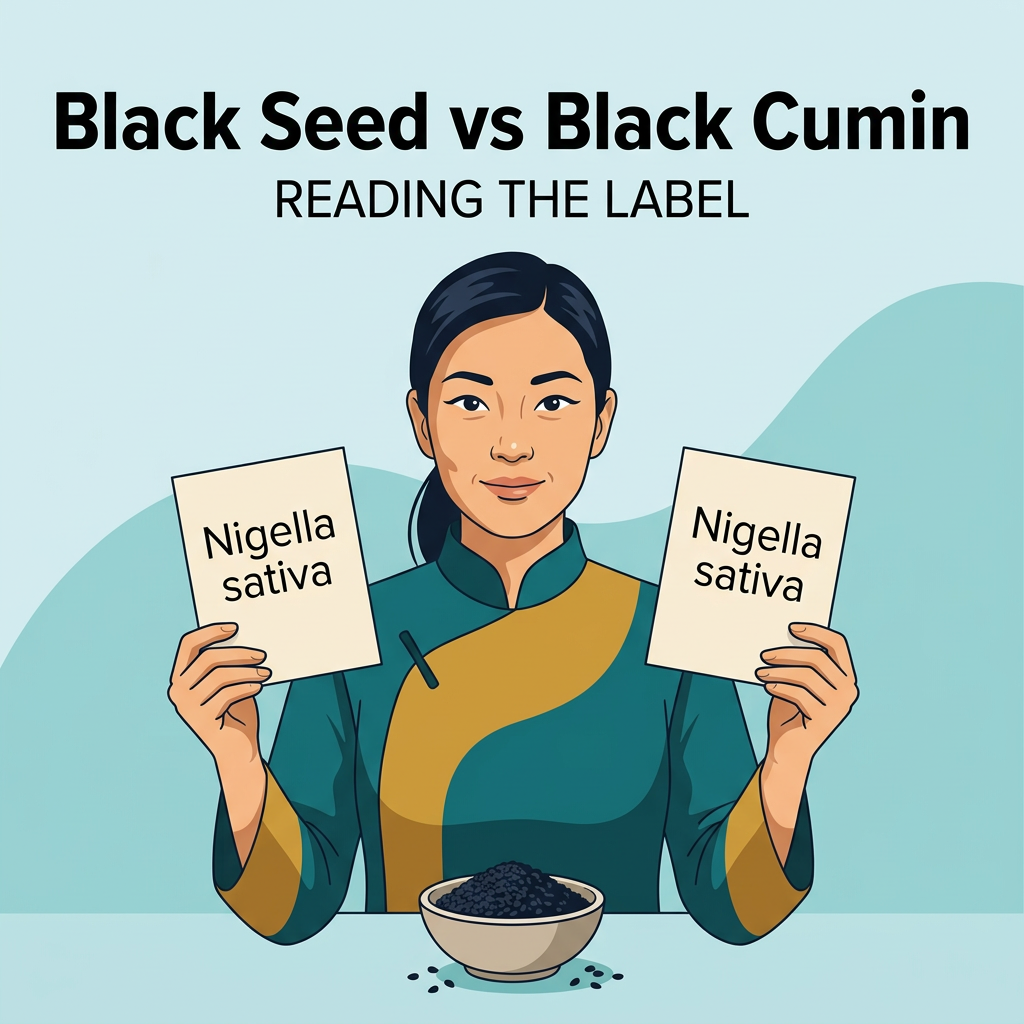
Black Seed Oil vs Black Cumin Seed Oil: Are They the Same Thing? Australia Guide
When two different product names identify the same ingredient, compare processing, serving amounts and added oils instead.
Comparisons
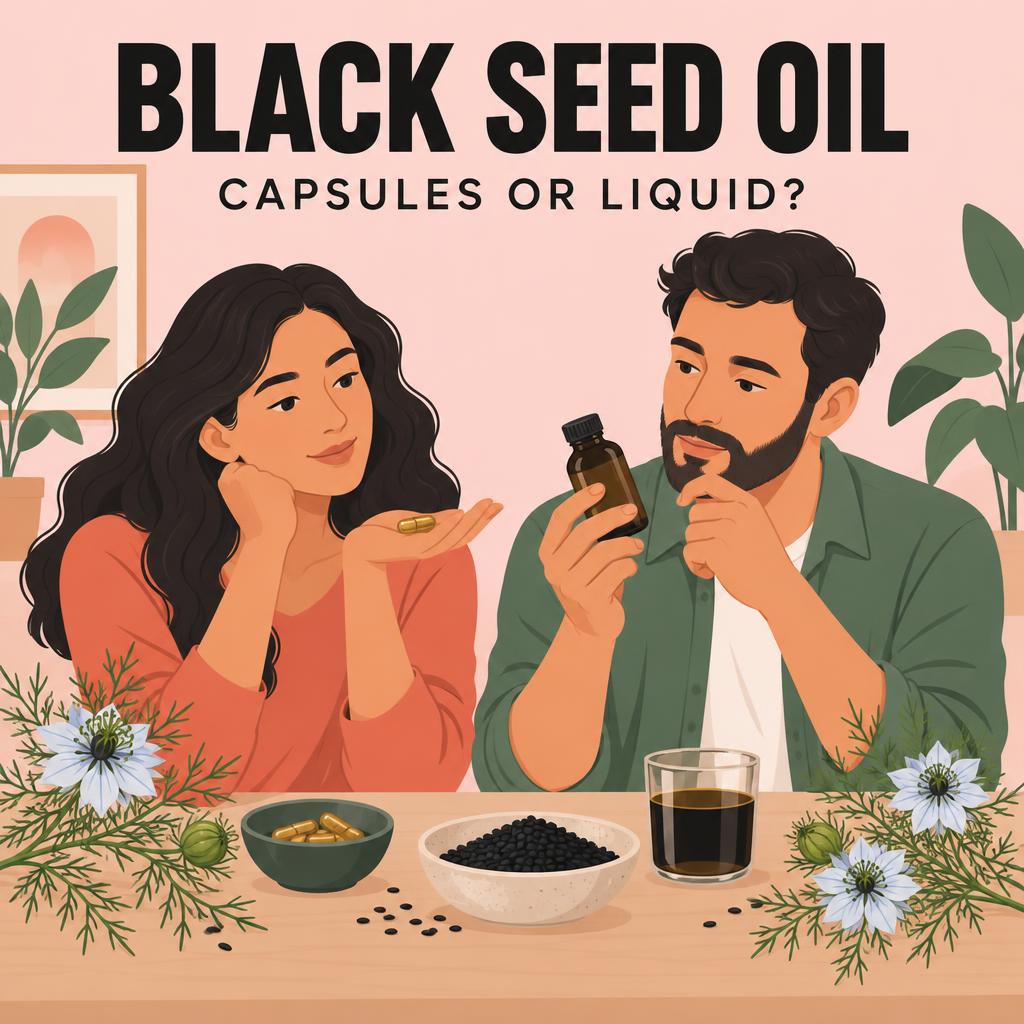
Black Seed Oil Capsules vs Liquid: Which Is Better in Australia?
Compare standalone black seed oil bottles and capsules by serving information, flavour and ingredients, without confusing them with oregano blends.
Buying Guides
Where to Buy Black Seed Oil in Australia
Find the right black seed oil seller by checking Nigella identity, label access, storage information and Australian purchase terms.
