Australia
Advantages of Black Cumin Seed Oil Over Other Seed Oils: Australian Guide
What sets black cumin seed oil apart from sunflower, olive and other seed oils, from thymoquinone to how people use it.
Key takeaways
- Black cumin seed oil contains thymoquinone, which common cooking oils lack.
- It is used in small, measured amounts rather than as a cooking fat.
- Cooking oils and black cumin seed oil serve different purposes in a diet.
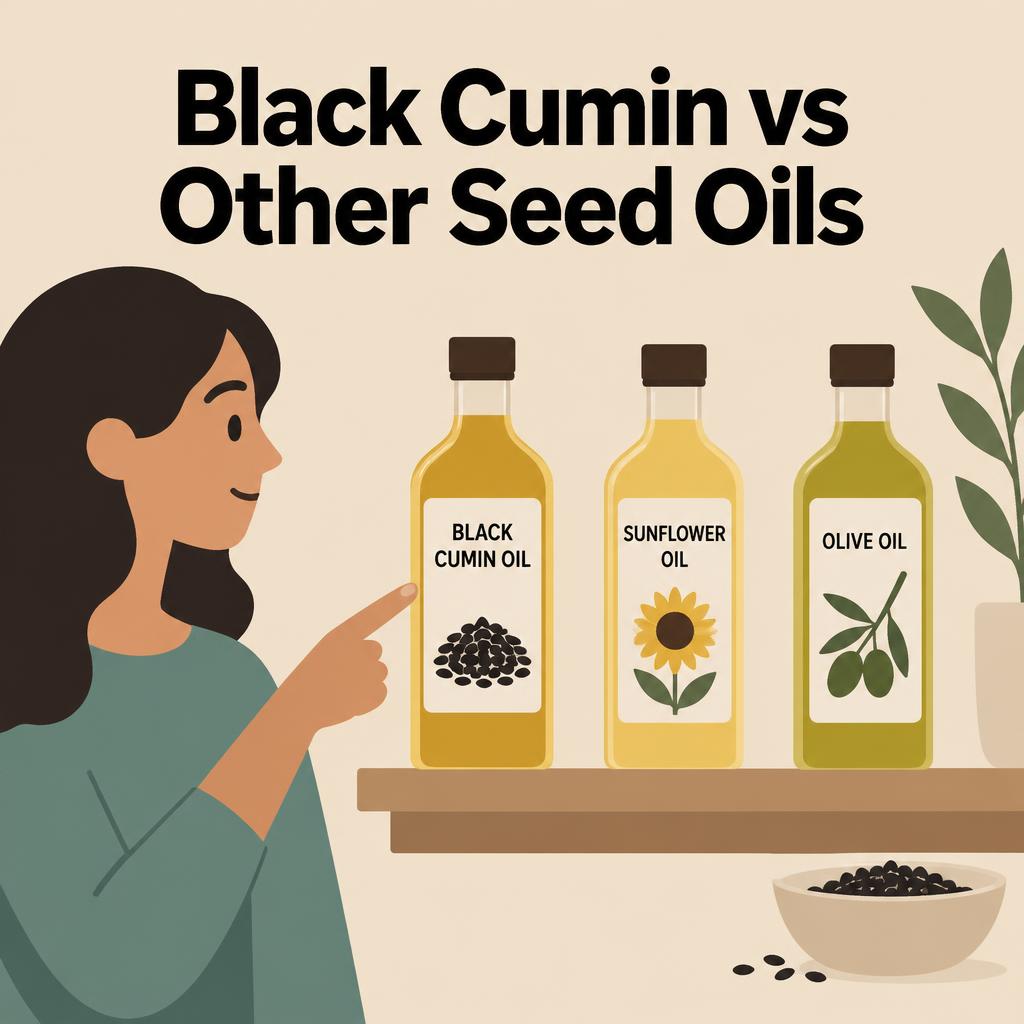
Black cumin seed oil, pressed from Nigella sativa, has a character all of its own. It is peppery, aromatic and used by the spoonful or drop rather than the cup.
A unique active compound
The standout difference is thymoquinone. This compound is the most studied part of Nigella sativa and is not a meaningful part of sunflower, canola or olive oil.[1]
A healthy fat profile
Black cumin seed oil is mostly unsaturated fat, with linoleic acid as its main fatty acid.[1] FSANZ advises choosing unsaturated fats over saturated fats as part of a healthy diet.[2]
Researched for wellbeing, not just cooking
Cooking oils are studied mainly as foods. Nigella sativa has been examined in trials on metabolic and inflammatory measures, with a 2023 overview finding encouraging signals and noting that certainty is often low.[3]
How the uses differ
- Olive and canola oil: everyday cooking and dressings.
- Sunflower oil: high-heat frying.
- Black cumin seed oil: small daily amounts, used as directed on a supplement label.
Not a replacement for cooking oil
Black cumin seed oil is not intended as a frying oil. Heat can change delicate compounds, so it is best used as directed rather than cooked with.
Antidote Supplements
Antidote Supplements Ethiopian Black Seed Oil comes as 50 mL liquid drops for measured daily use. Antidote Supplements confirms delivery to Australia.
The bottom line
Black cumin seed oil stands apart from everyday seed oils because it contains thymoquinone and has been researched for wellbeing. Use it in small measured amounts and keep regular cooking oils for the kitchen.
Medical reviewer
Dr Shasi Prahalapan
MBBS
Read this next
Thymoquinone
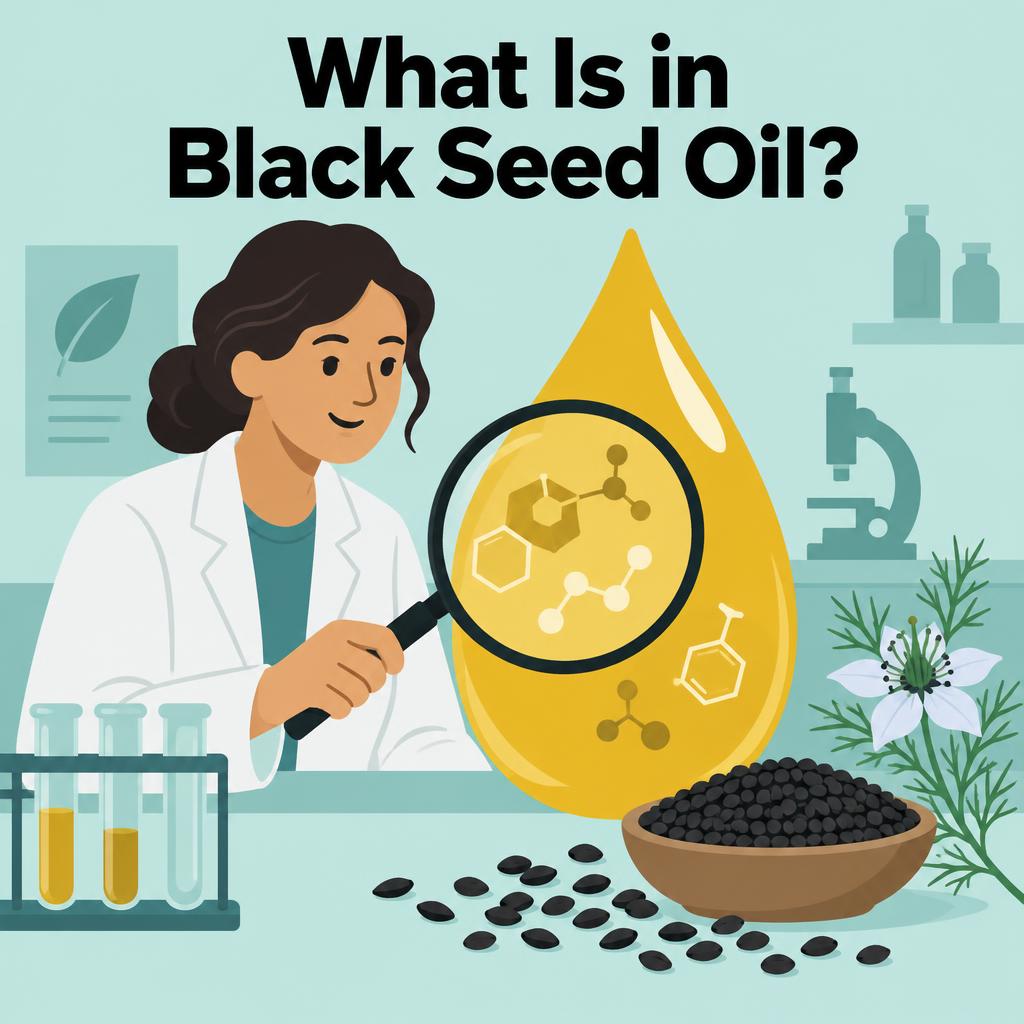
What Is in Black Seed Oil? Thymoquinone and Other Compounds Explained
Black seed oil combines fatty acids with active compounds such as thymoquinone. Here is a clear guide to what is inside and how labels describe it.
Black Seed Oil
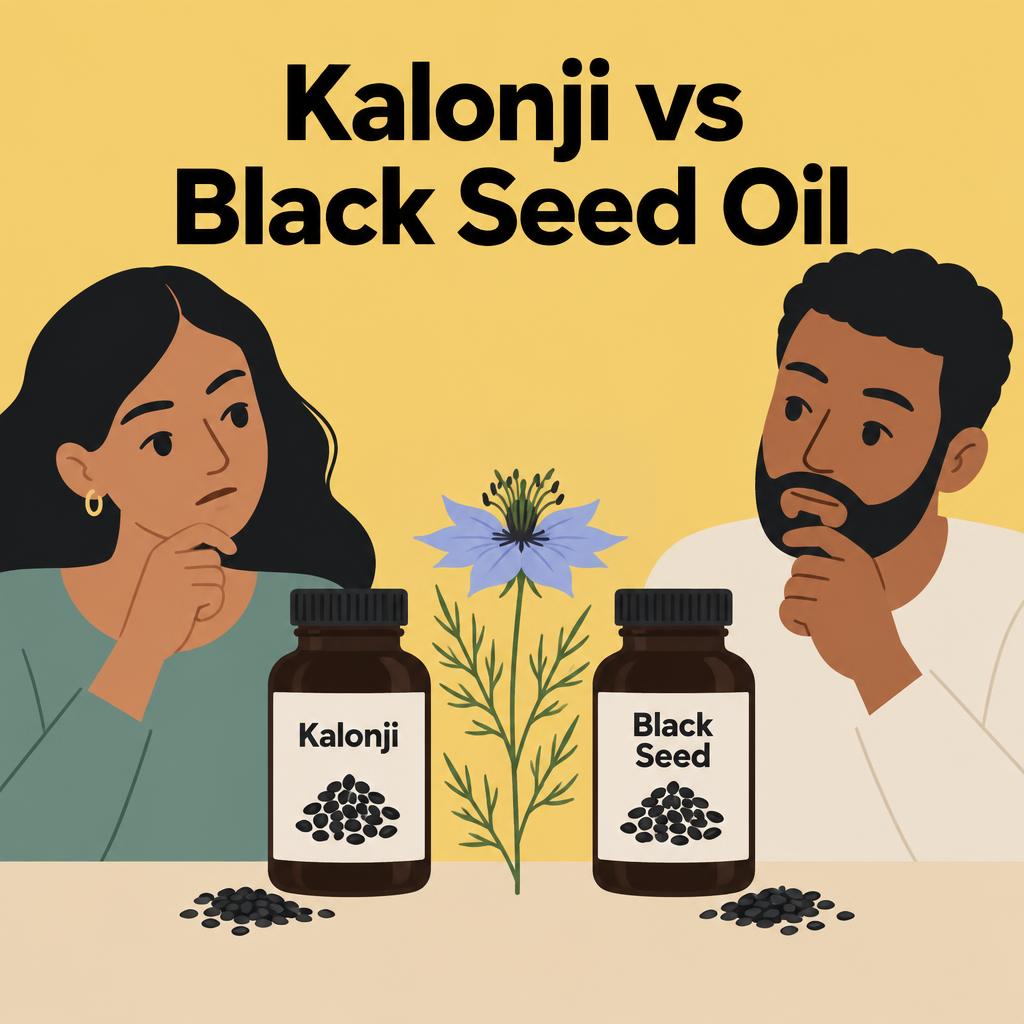
Is Kalonji Oil the Same as Black Seed Oil? An Australian Explainer
Kalonji is a common name for Nigella sativa. Learn how names differ in Australian shops and what to check on a label.
Black Seed Oil
Black Seed Oil: Benefits, Uses and Side Effects (Complete Guide for Australia)
A practical Australian guide to Nigella sativa, the research behind its benefits, and how to compare liquid oils with softgels.
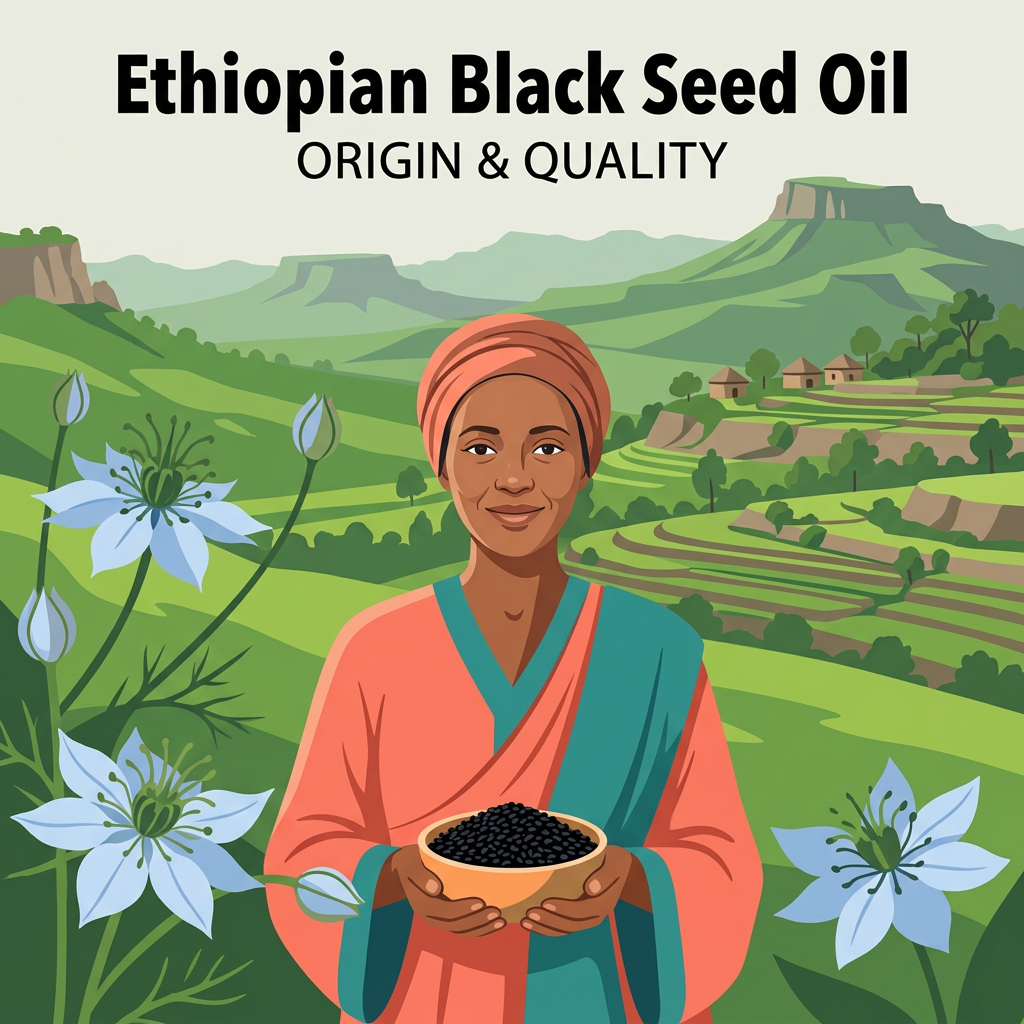
Ethiopian Black Seed Oil
Ethiopian Black Seed Oil: What Makes It Different? Australian Guide
Explore Ethiopian origin, thymoquinone label claims and the differences between standalone liquid and combination softgels.
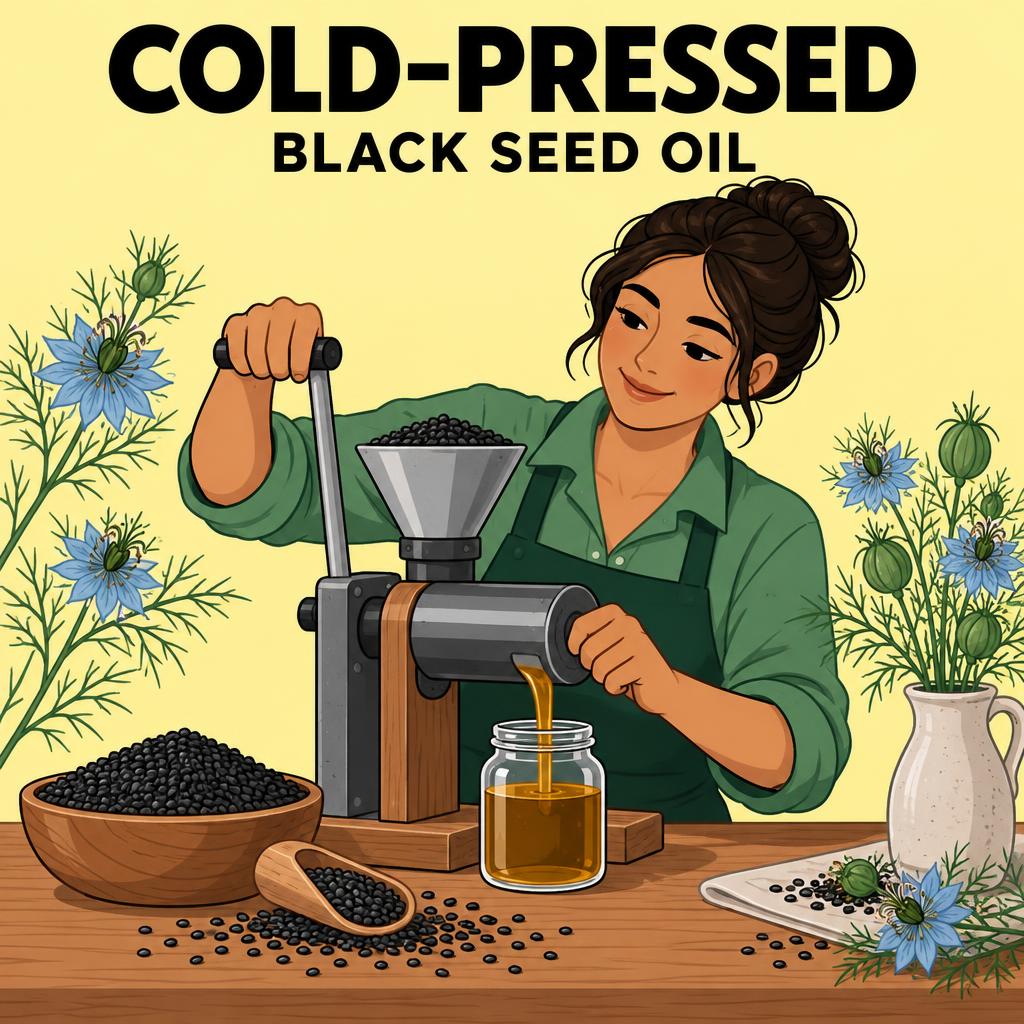
Black Seed Oil
Cold-Pressed Black Seed Oil: Why the Extraction Method Matters in Australia
Understand mechanical pressing, heat and processing claims, plus the batch information that matters more than a cold-pressed label alone.
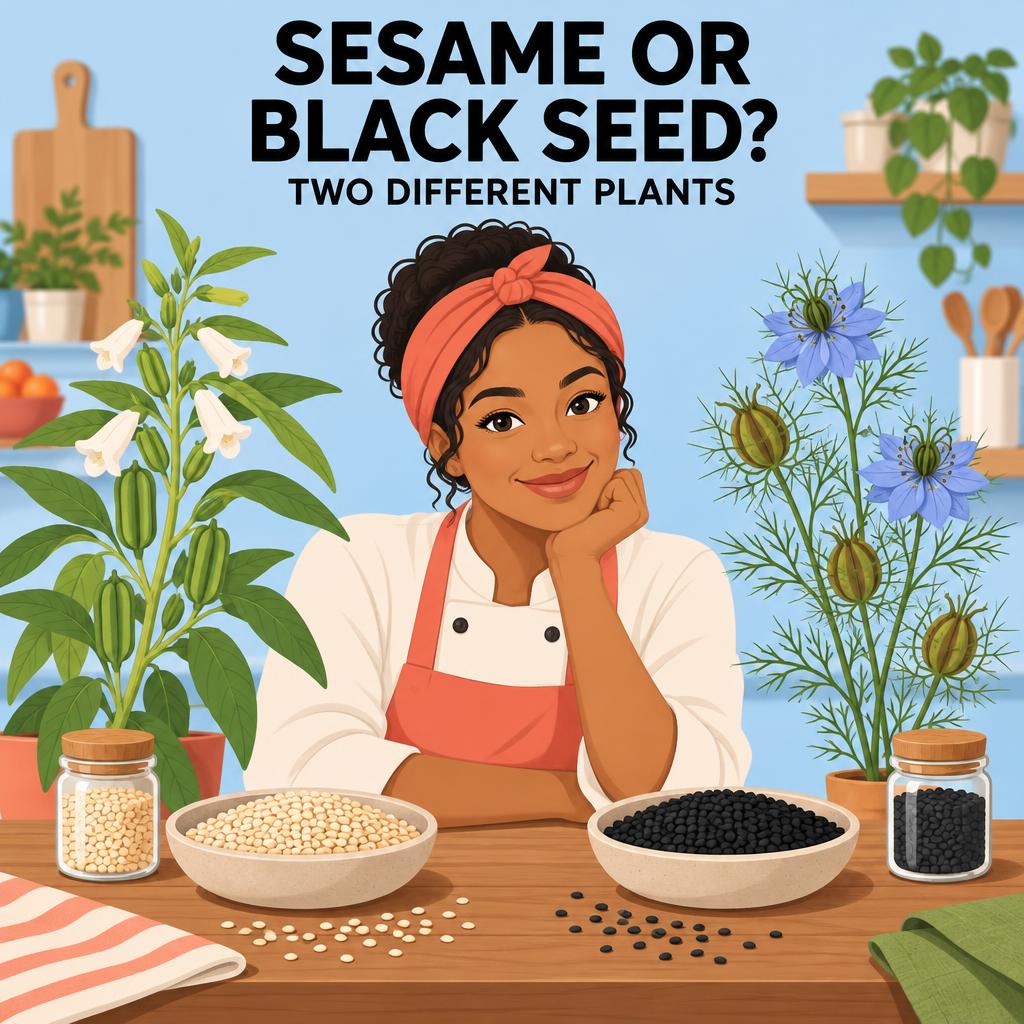
Black Seed Oil
Black Sesame Seed Oil vs Black Seed Oil: What's the Difference? Australian Guide
Black sesame and Nigella sativa are different plants. Compare their names, food uses and product labels before choosing an oil.
Sources
- Ahmad A, et al. A review on therapeutic potential of Nigella sativa: A miracle herb. Asian Pacific Journal of Tropical Biomedicine. 2013;3(5):337–352.
- Food Standards Australia New Zealand. Fats and oils.
- Li Z, et al. Nigella sativa and health outcomes: An overview of systematic reviews and meta-analyses. Frontiers in Nutrition. 2023;10:1107750.
