United States
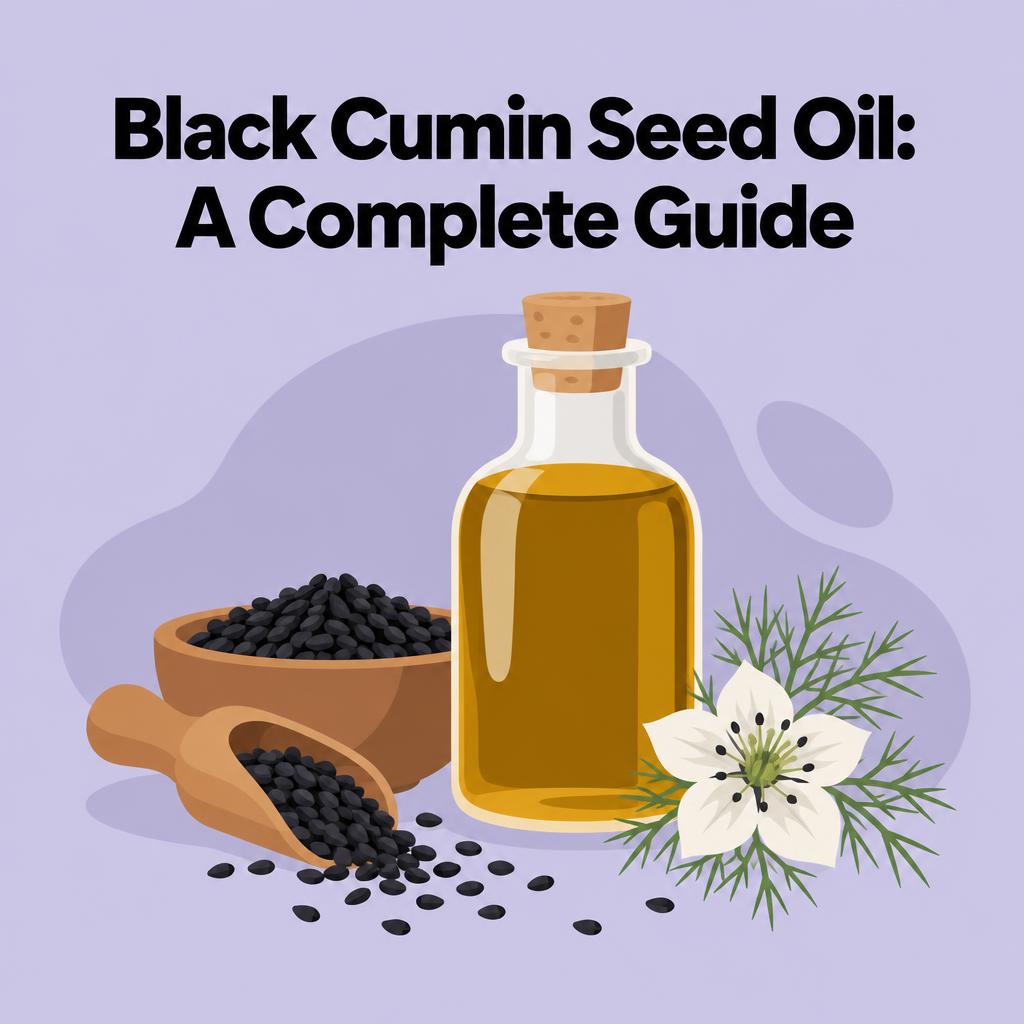
Black Cumin Seed Oil: A Complete Guide
Black cumin seed oil is simply another name for black seed oil, from Nigella sativa. Here is what the name means, what the oil does, and how to use it.
Key takeaways
- Black cumin seed oil and black seed oil are the same oil, from Nigella sativa.
- It is not the same as culinary cumin or caraway, despite the name.
- Its key compound, thymoquinone, is the focus of dozens of human trials.
- It is taken by the spoonful or in softgels, and used on skin and hair.
One oil, many names
Black cumin seed oil is the same product as black seed oil, pressed from the seeds of Nigella sativa. You will also see it called black caraway oil, kalonji oil or nigella oil. The naming confusion is historical: the small black seeds reminded people of cumin and caraway, and the nicknames stuck. Botanically, it is neither.
Not the same as kitchen cumin
Regular cumin (Cuminum cyminum) and black cumin seed oil come from entirely different plants. You cannot make black seed oil by pressing the cumin in your spice rack. The same applies to caraway. If a product says black cumin seed oil, check that the Latin name Nigella sativa appears on the label; that is the definitive identification.
What the oil contains
Black cumin seed oil is rich in thymoquinone, its signature antioxidant compound, alongside thymol, nigellone and a profile of healthy fatty acids. Thymoquinone content varies widely between oils depending on seed variety, growing region and pressing method, which is why better brands state the level on the label.
What the research says
Dozens of human trials have examined black cumin seed oil for blood sugar, cholesterol, blood pressure, allergic rhinitis, asthma and inflammation, with reviews describing the results as consistently promising. It is one of the better-researched traditional oils, though most individual trials are small.
How to use it
The traditional amount is one to two teaspoons daily with food, taken straight or mixed with honey or juice. Softgel capsules deliver the same oil without the peppery taste. The oil is also applied directly to skin and massaged into the scalp, which is where a liquid dropper bottle earns its place.
Choosing a bottle
Look for cold-pressed oil, the Latin name Nigella sativa on the label, a stated thymoquinone content, and dark or opaque packaging. Ethiopian black cumin seed oil is particularly prized, with naturally occurring thymoquinone levels up to around 4 to 5 per cent in the best batches.
The bottom line
Black cumin seed oil is black seed oil by another name: cold-pressed Nigella sativa oil, rich in thymoquinone and backed by dozens of human trials. Check the label for the Latin name, take one to two teaspoons daily with food, or choose softgels.
Medical reviewer
Dr Donald Otasowie
MBBS, FRACGP
Read this next
Black Seed Oil
Black Seed Oil: Benefits, Uses and Side Effects (Complete Guide)
Black seed oil has been used for over two thousand years and is now backed by dozens of human trials. Here is the complete picture: benefits, uses and safety.

Black Seed Oil
Black Seed Oil Benefits: 10 Reasons People Take It
From immune support to skin and hair, here are the ten most researched and most loved reasons people take black seed oil every day.
Black Seed Oil
Black Seed Oil Capsules vs Liquid: Which Is Better?
Capsules and liquid deliver the same black seed oil, but they suit different people. Here is an honest comparison to help you pick.
Black Seed Oil
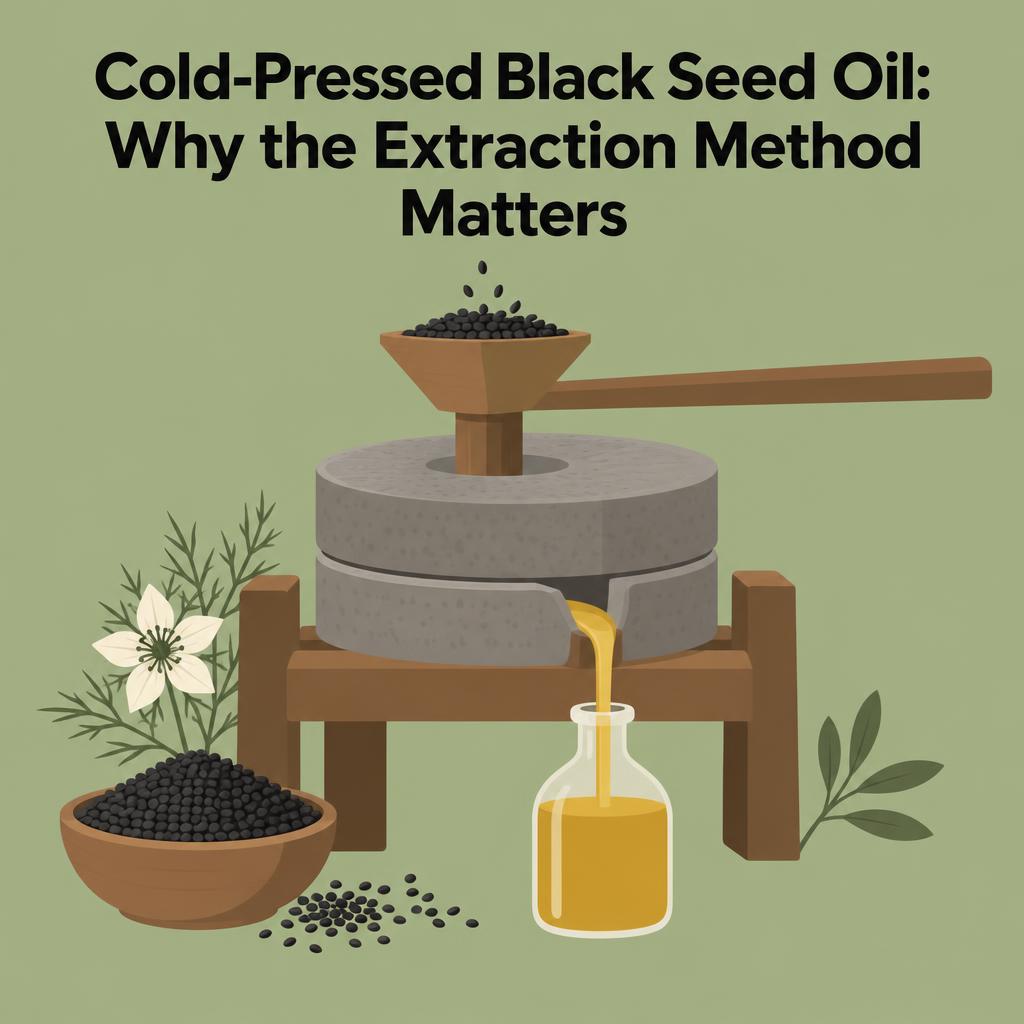
Cold-Pressed Black Seed Oil: Why the Extraction Method Matters
Cold-pressed is more than a marketing phrase for black seed oil. Here is how extraction affects the thymoquinone and quality of the oil you buy.
Black Seed Oil
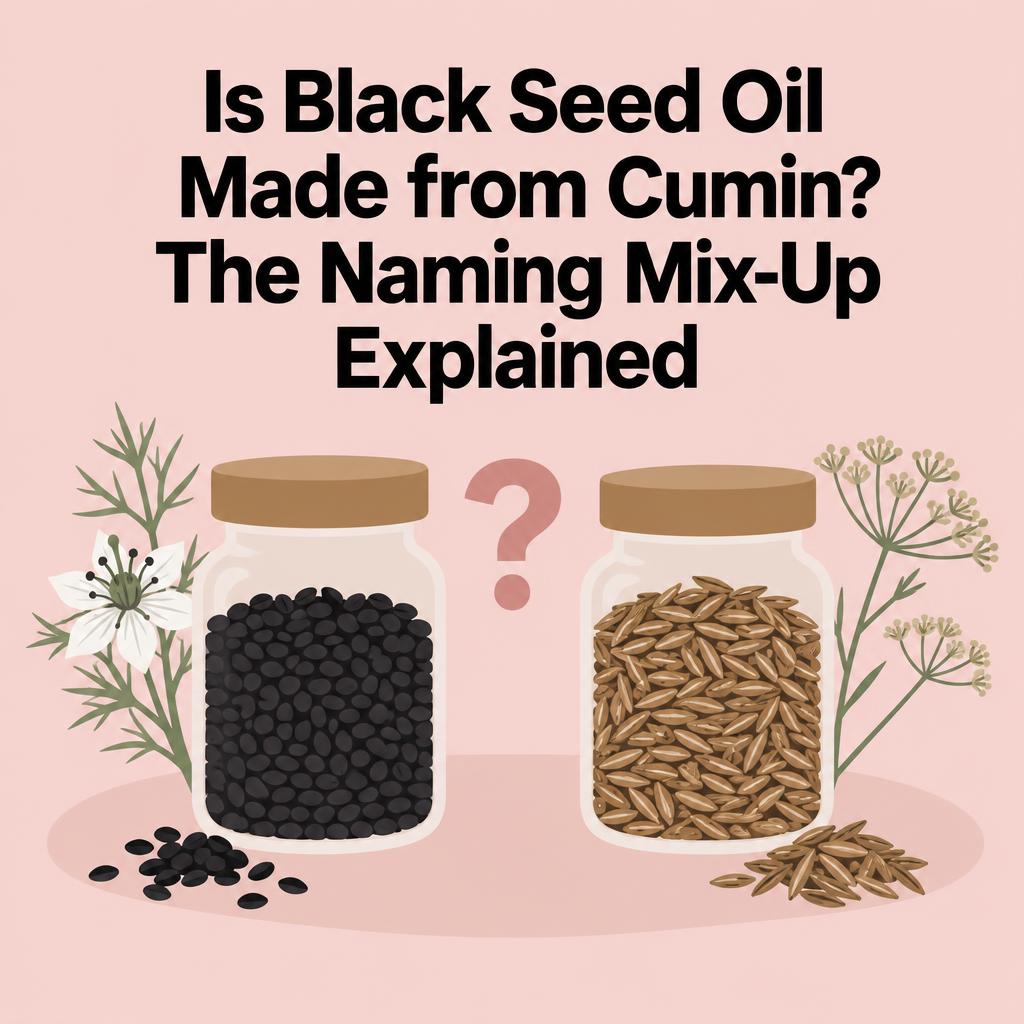
Is Black Seed Oil Made from Cumin? The Naming Mix-Up Explained
Black seed oil is not made from cumin, despite the nicknames. Here is where the confusion comes from and how to be sure you are buying the real thing.
Black Seed Oil
What Is Black Seed Oil Good For? The Most Common Uses
Black seed oil is used for immune support, metabolism, airways, skin, hair and more. Here are the most common uses and what the research says about each.
