Australia
How Much Black Seed Oil Should You Take Daily? An Australian Guide
See how study amounts of black seed oil are reported, why your product label comes first and how to start a simple daily routine.
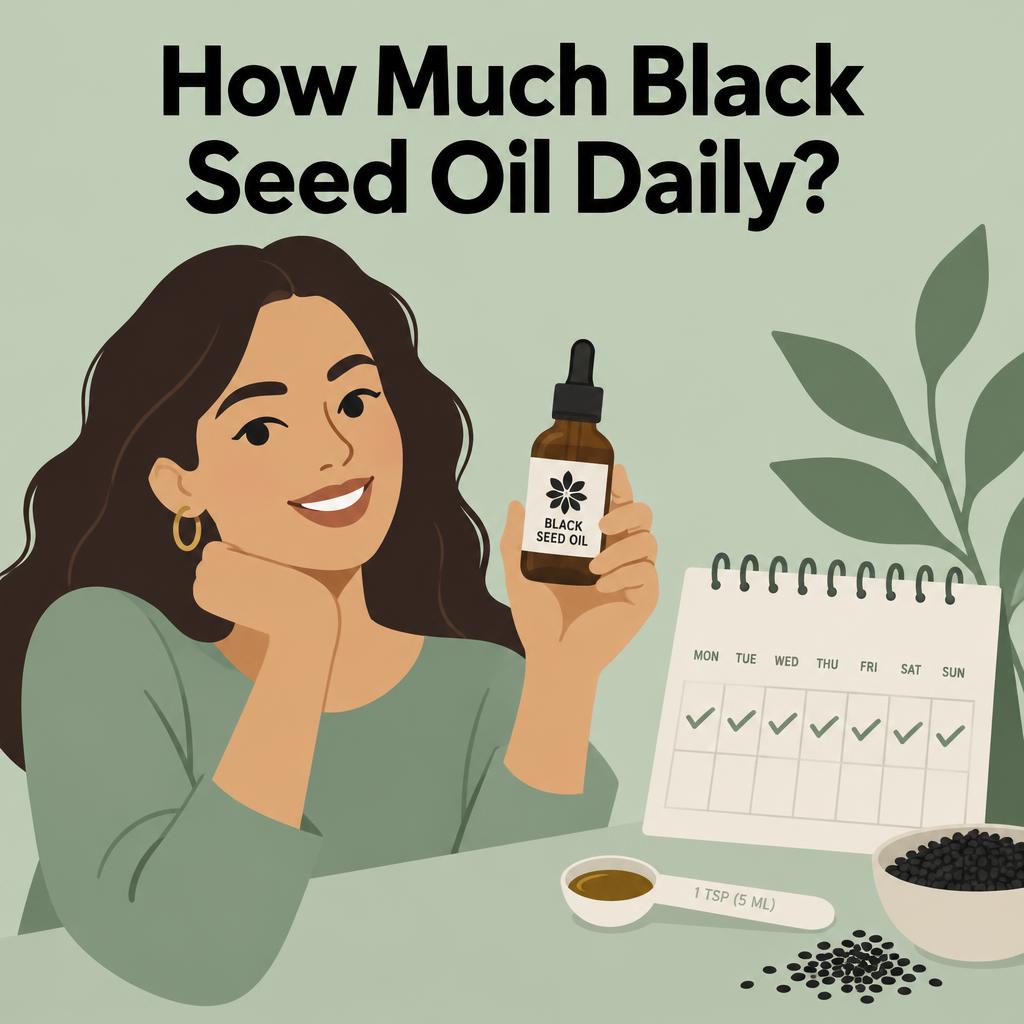
Key takeaways
- Your product label is the starting point for a daily amount.
- Studies used a range of preparations and amounts, so no single number fits everyone.
- Start at the labelled amount and review it with a pharmacist if you take medicines.
Black seed oil is easy to fit into a daily routine. The most useful answer to how much to take is also the simplest: begin with the directions printed on your product.
This guide explains why research amounts vary, how to read a label and when to ask for personal advice in Australia.
What the research reports
Clinical trials of Nigella sativa have used oils, powders and extracts at different amounts and for different lengths of time. A 2023 overview of meta-analyses found encouraging signals for several measures, while noting that many results had low certainty.[1]
Because the preparations differ, a study amount cannot be copied directly onto any retail bottle. A gram of powdered seed and a millilitre of cold-pressed oil are not the same thing.
Start with the label
Australian complementary medicines carry directions for use. The TGA explains how listed medicines are regulated and why label directions matter.[2] Follow the serving and frequency printed on your bottle, and do not combine several black seed products to reach a higher total.
- Check the serving size and how often it is taken.
- Note whether it should be taken with food.
- Keep a short diary of how you feel for the first few weeks.
More is not automatically better
A higher amount has not been shown to produce a larger benefit. Taking more than directed increases the chance of stomach upset and makes it harder to tell what is helping.
When to get personal advice
Speak with a pharmacist or GP before starting if you are pregnant, breastfeeding, managing blood sugar or blood pressure, or taking regular medicines. NCCIH recommends sharing all supplements with your healthcare team.[3]
Where Antidote Supplements fits
Antidote Supplements Ethiopian Black Seed Oil comes as 50 mL liquid drops. Use the directions on that label for daily serving guidance. The separate combination product is a 240-softgel formula with its own serving of three softgels. Antidote Supplements confirms delivery to Australia.
The bottom line
There is no single daily amount of black seed oil that suits everyone. Follow your product label, avoid stacking products and ask a pharmacist for personal advice if you take medicines or have a health condition.
Medical reviewer
Dr Monzer Adba
MBBS, FRACGP
Read this next
Safety
Black Seed Oil Side Effects: Who Should Be Careful in Australia
Review black seed oil suitability, unwanted reactions and medicine discussions without treating natural origin as a safety guarantee.
Comparisons
Black Seed Oil Capsules vs Liquid: Which Is Better in Australia?
Compare standalone black seed oil bottles and capsules by serving information, flavour and ingredients, without confusing them with oregano blends.
Black Seed Oil
Black Seed Oil: Benefits, Uses and Side Effects (Complete Guide for Australia)
A practical Australian guide to Nigella sativa, the research behind its benefits, and how to compare liquid oils with softgels.
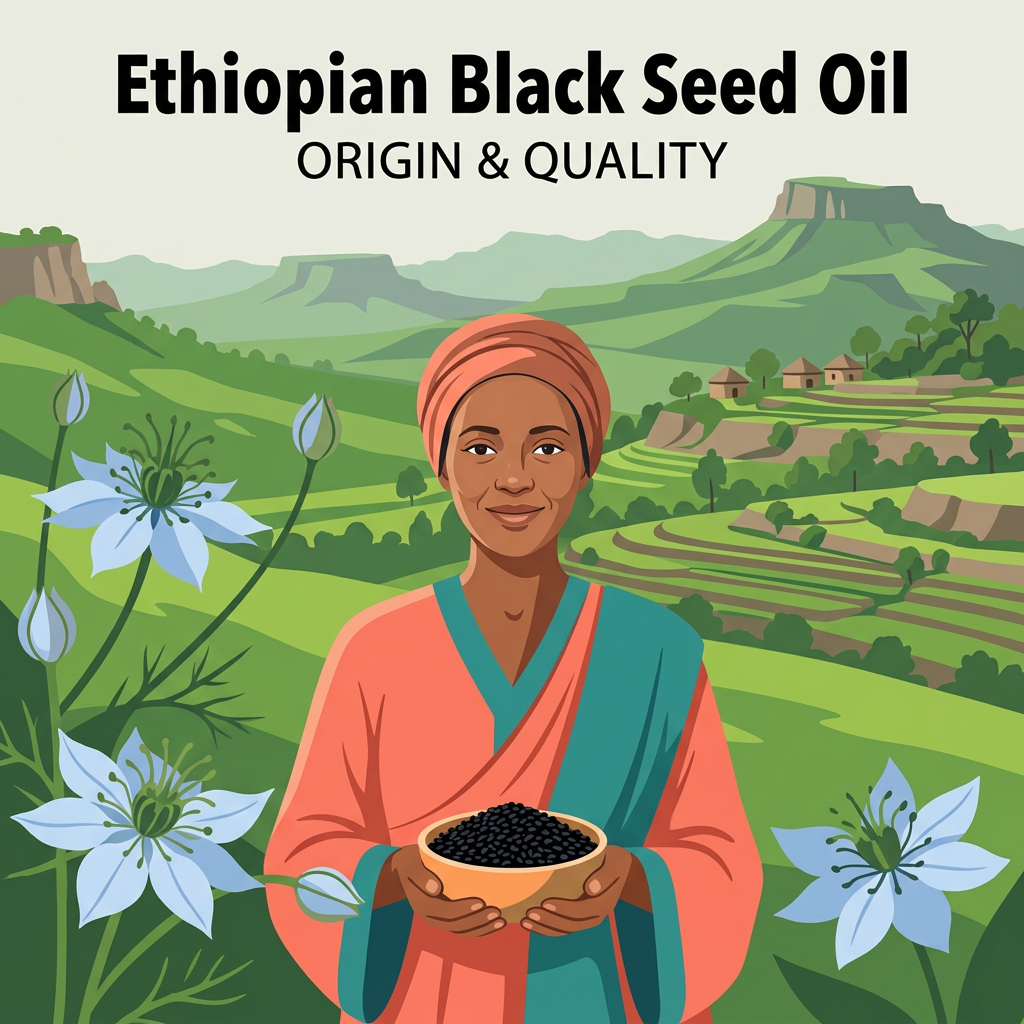
Ethiopian Black Seed Oil
Ethiopian Black Seed Oil: What Makes It Different? Australian Guide
Explore Ethiopian origin, thymoquinone label claims and the differences between standalone liquid and combination softgels.
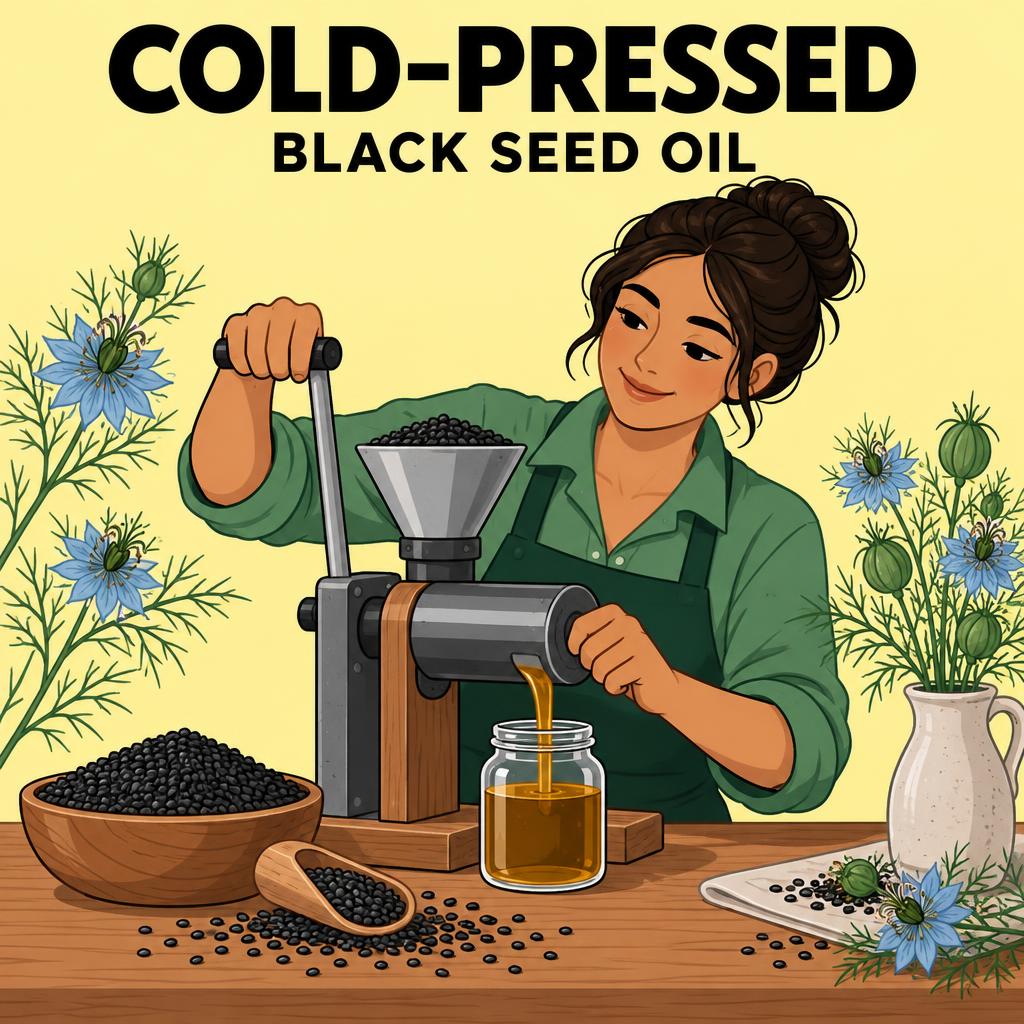
Black Seed Oil
Cold-Pressed Black Seed Oil: Why the Extraction Method Matters in Australia
Understand mechanical pressing, heat and processing claims, plus the batch information that matters more than a cold-pressed label alone.

Black Seed Oil
Black Sesame Seed Oil vs Black Seed Oil: What's the Difference? Australian Guide
Black sesame and Nigella sativa are different plants. Compare their names, food uses and product labels before choosing an oil.
Sources
- Li Z, et al. Nigella sativa and health outcomes: An overview of systematic reviews and meta-analyses. Frontiers in Nutrition. 2023;10:1107750.
- Therapeutic Goods Administration. Understanding listed and registered complementary medicine regulation.
- National Center for Complementary and Integrative Health. Using Dietary Supplements Wisely.
