Australia
How to Take Black Seed Oil: A Simple Guide
Drops or softgels, with food or without? Here is a simple guide to taking black seed oil each day.
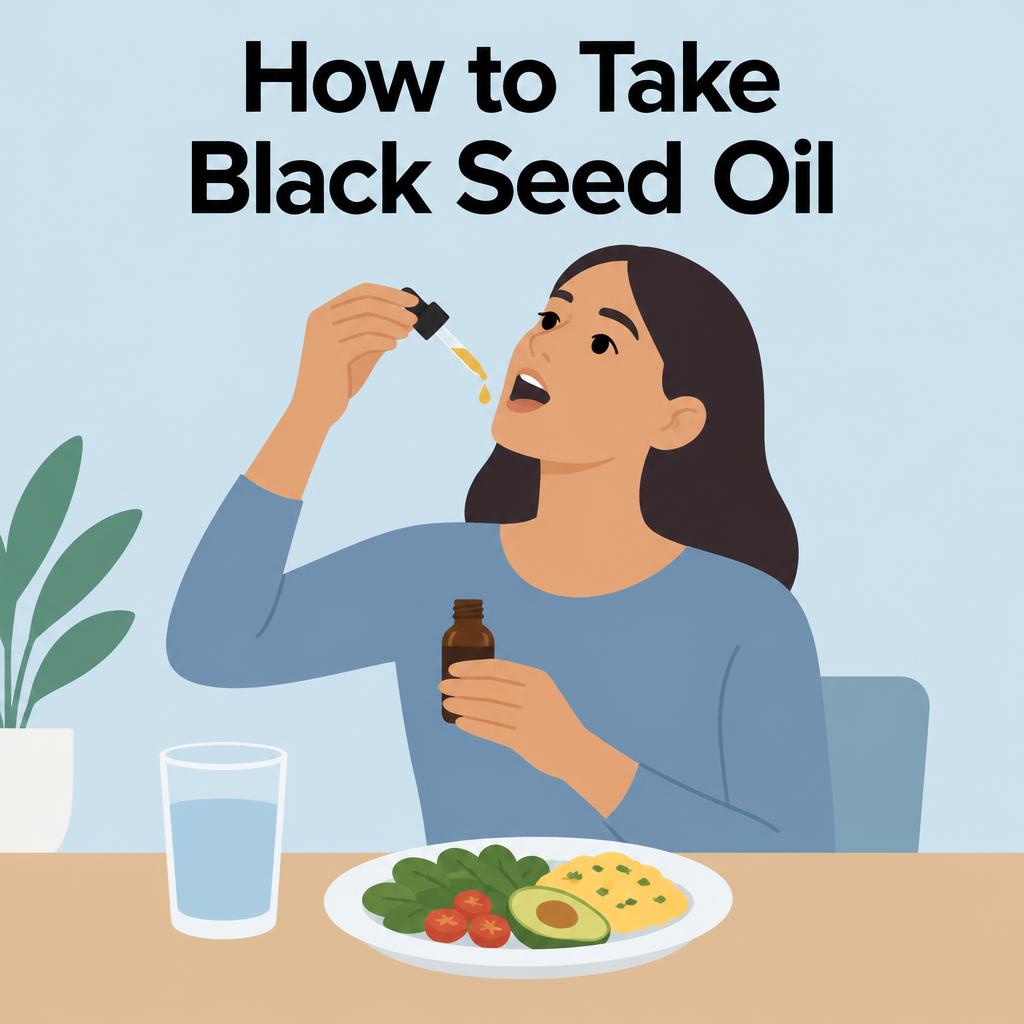
Key takeaways
- Follow the serving size on your product's label.
- Taking it with food keeps your stomach comfortable.
- Consistency each day matters more than the exact time.
Black seed oil is easy to take once you have a routine. Here is the simple guide.
How much to take
Follow the serving size on your product's label. Research on black seed oil typically uses daily amounts over eight to twelve weeks.[1]
Drops or softgels
- Drops: flexible amounts, with a strong, peppery taste. Many people mix them into a little juice or honey.
- Softgels: measured, taste-free and easy to carry.
With food or without
Taking black seed oil with a meal keeps your stomach comfortable and fits the oil naturally into digestion.
Building the habit
Keep the bottle beside your breakfast items so you remember. Consistency matters more than the exact time of day.[1]
Who should check first
Ask a GP or pharmacist first if you are pregnant, breastfeeding or take medicines.[2]
Antidote Supplements
Antidote Supplements Ethiopian Black Seed Oil comes as 50 mL liquid drops; follow the label directions.
The bottom line
Take black seed oil at the label serving, with food, at whatever time you can keep consistent. Drops are flexible, softgels are taste-free.
Medical reviewer
Dr Nidham Oda
MBChB, FRACGP
Read this next
Black Seed Oil
Black Seed Oil Benefits: 10 Reasons People Take It
From blood sugar support to everyday antioxidant intake, here are the ten most common reasons Australians add black seed oil to their routine.
Black Seed Oil
Black Seed Oil: Benefits, Uses and Side Effects (Complete Guide for Australia)
A practical Australian guide to Nigella sativa, the research behind its benefits, and how to compare liquid oils with softgels.
Ethiopian Black Seed Oil
Ethiopian Black Seed Oil: What Makes It Different? Australian Guide
Explore Ethiopian origin, thymoquinone label claims and the differences between standalone liquid and combination softgels.
Black Seed Oil
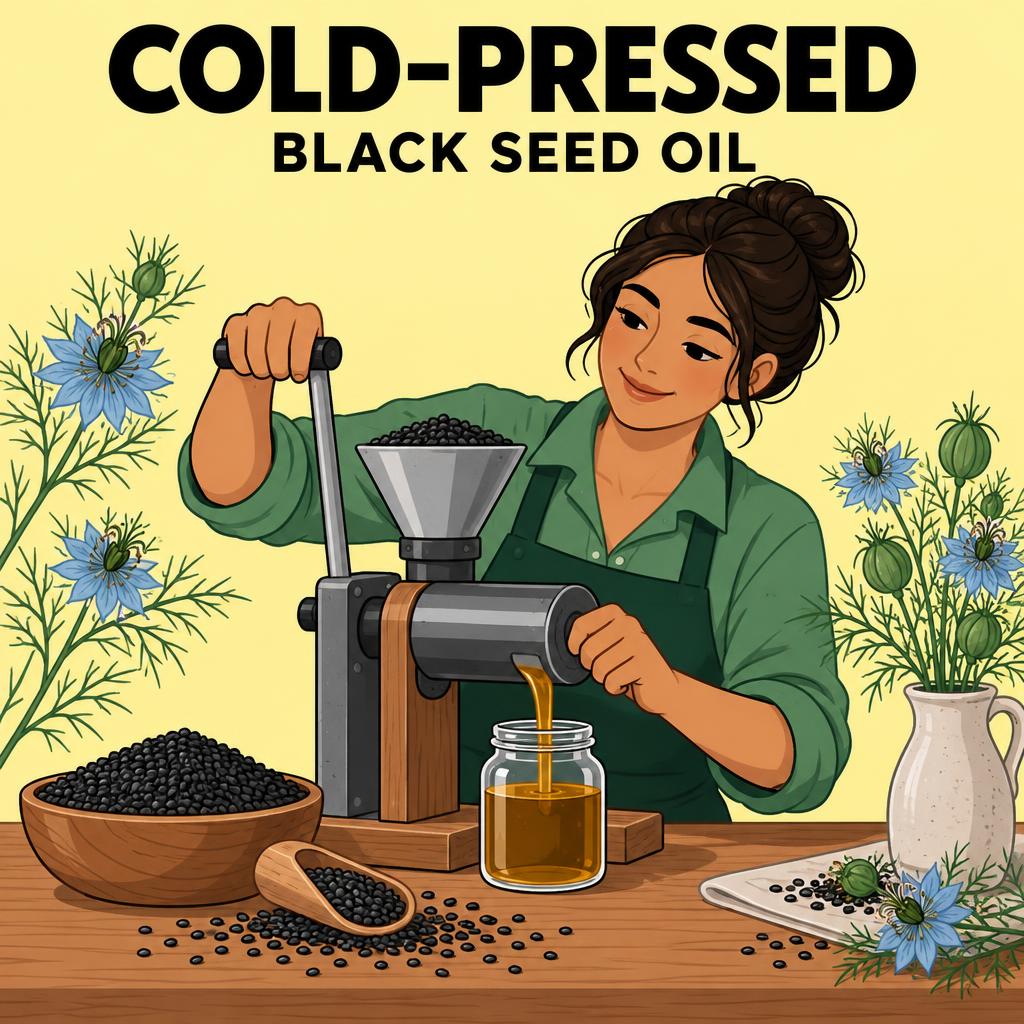
Cold-Pressed Black Seed Oil: Why the Extraction Method Matters in Australia
Understand mechanical pressing, heat and processing claims, plus the batch information that matters more than a cold-pressed label alone.
Black Seed Oil
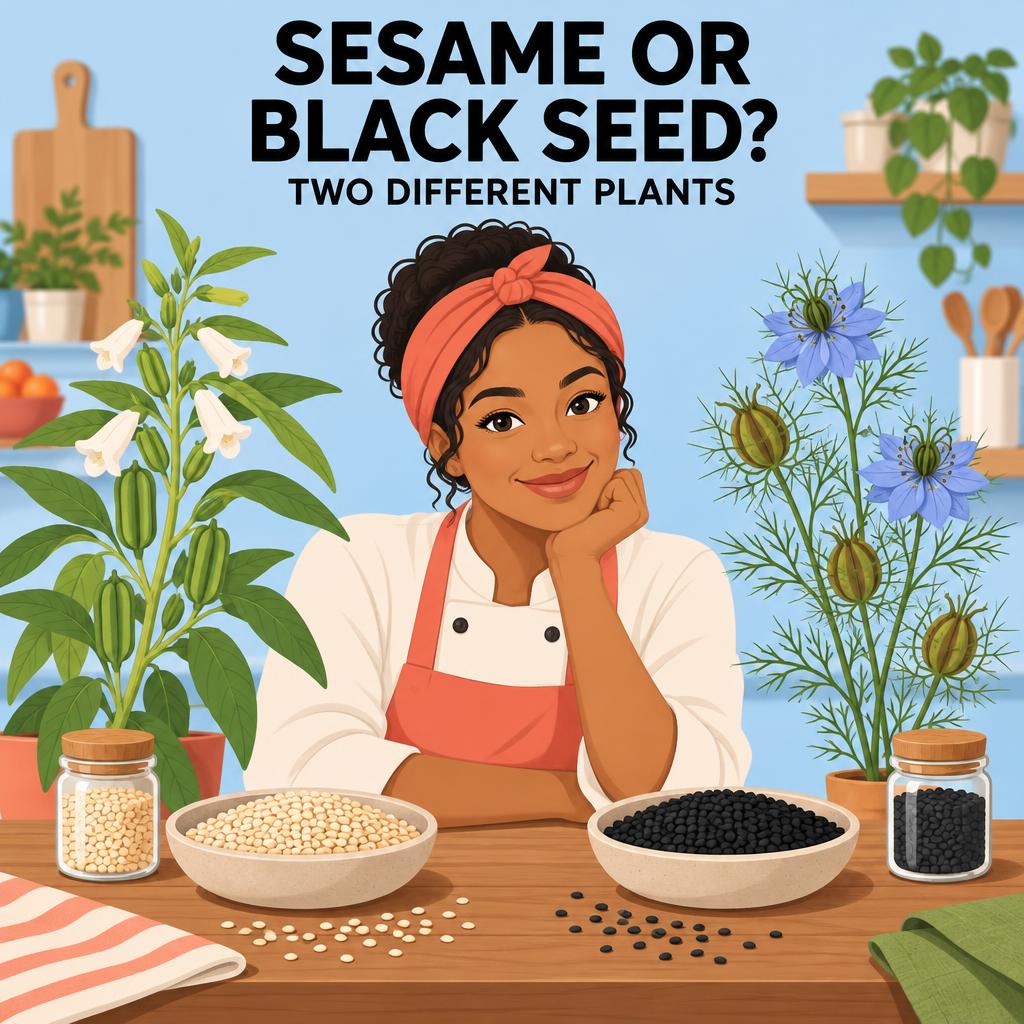
Black Sesame Seed Oil vs Black Seed Oil: What's the Difference? Australian Guide
Black sesame and Nigella sativa are different plants. Compare their names, food uses and product labels before choosing an oil.
Black Seed Oil
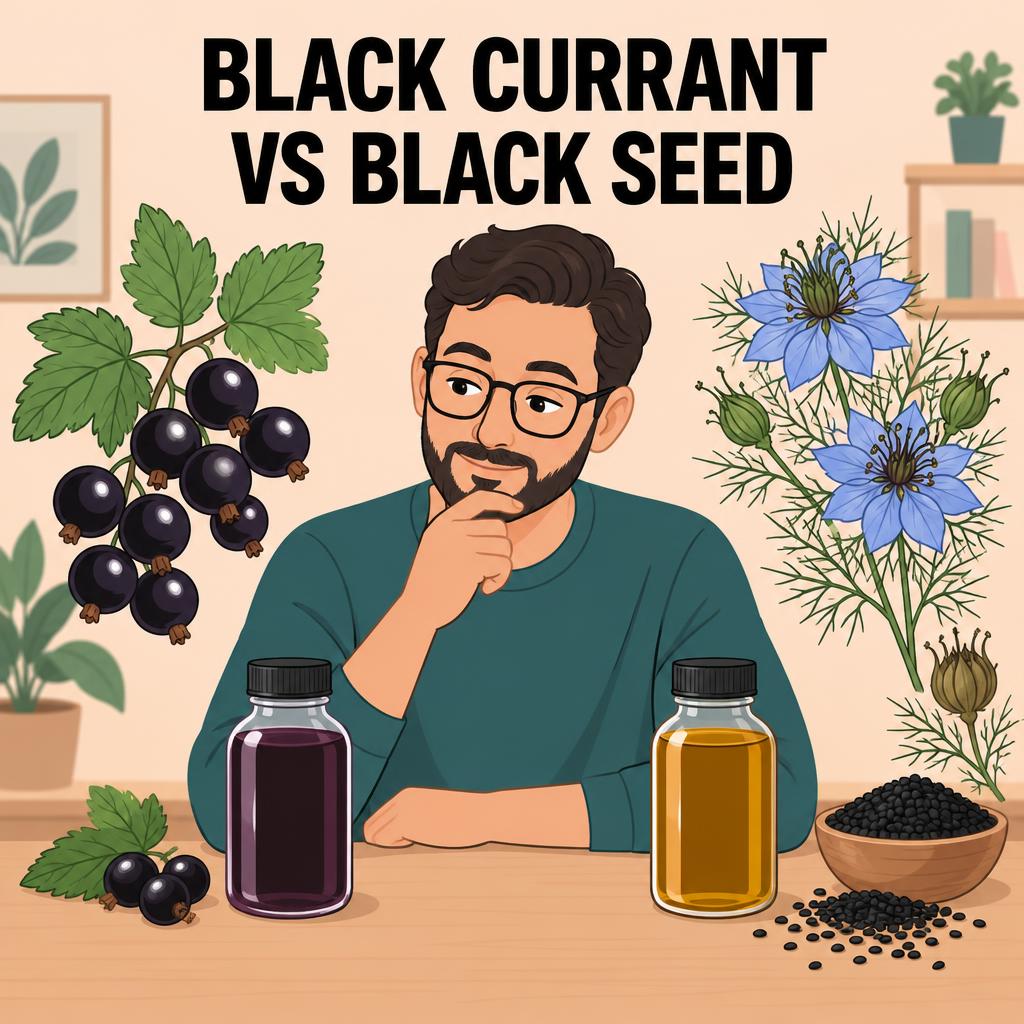
Black Currant Seed Oil vs Black Seed Oil: Don't Mix Them Up in Australia
Learn why black currant berry seed oil and Nigella black seed oil are different ingredients, and how to check the right product label.
Sources
- Li Z, et al. Nigella sativa and health outcomes: An overview of systematic reviews and meta-analyses. Frontiers in Nutrition. 2023;10:1107750.
- National Center for Complementary and Integrative Health. Using Dietary Supplements Wisely.
- Ahmad A, et al. A review on therapeutic potential of Nigella sativa: A miracle herb. Asian Pacific Journal of Tropical Biomedicine. 2013;3(5):337–352.
