Australia
What Is Black Seed Oil Good For? The Most Common Uses
From metabolic support to skin and hair care, here are the most common uses of black seed oil in Australia.
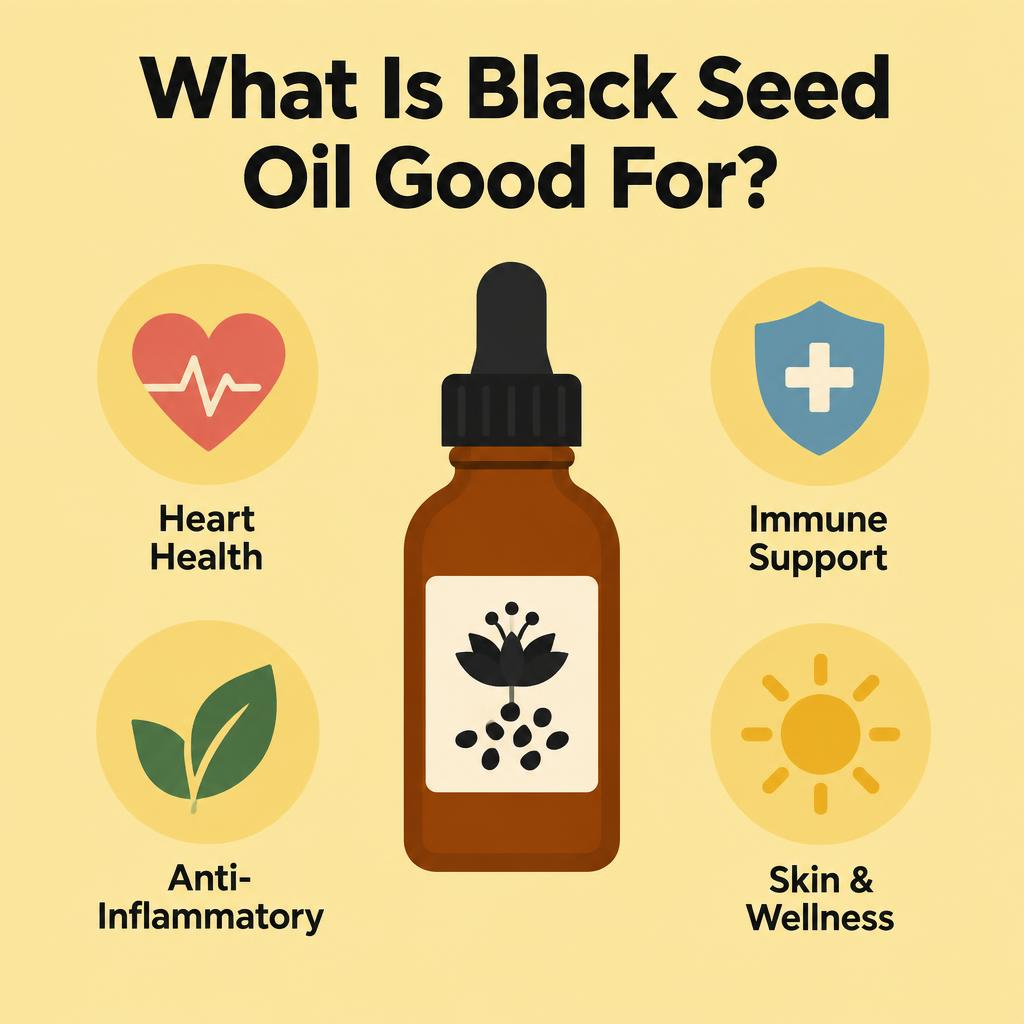
Key takeaways
- Black seed oil is best studied for blood sugar, cholesterol and inflammation markers.
- It is also popular for skin, hair and general antioxidant support.
- Daily consistency over weeks is what research has looked at.
Black seed oil is one of the most versatile supplements on Australian shelves. Here are its most common uses.
Metabolic support
Reviews of human trials link Nigella sativa to favourable changes in fasting blood sugar, HbA1c and cholesterol.[1]
Antioxidant support
Thymoquinone and other compounds in the oil show antioxidant activity, helping the body manage everyday oxidative stress.[2]
Digestive comfort
Black seed has a long traditional history of use for digestion, and many people take it with meals.[2]
Skin and hair
Some people use black seed oil on their skin and hair. If your label covers skin use, patch test first on a small area.
How to get the most from it
Choose a quality cold-pressed oil, take it consistently and pair it with a balanced diet. Most trials ran for eight to twelve weeks.[1][3]
Antidote Supplements
Antidote Supplements Ethiopian Black Seed Oil comes as 50 mL liquid drops; follow the label directions.
The bottom line
Black seed oil is good for metabolic support, antioxidant intake, digestion and skin and hair care. Consistency over several weeks matters most.
Medical reviewer
Dr Chinedu Oraetue
MBBS, FRACGP
Read this next
Black Seed Oil
Black Seed Oil Benefits: 10 Reasons People Take It
From blood sugar support to everyday antioxidant intake, here are the ten most common reasons Australians add black seed oil to their routine.
Black Seed Oil
Black Seed Oil: Benefits, Uses and Side Effects (Complete Guide for Australia)
A practical Australian guide to Nigella sativa, the research behind its benefits, and how to compare liquid oils with softgels.
Ethiopian Black Seed Oil
Ethiopian Black Seed Oil: What Makes It Different? Australian Guide
Explore Ethiopian origin, thymoquinone label claims and the differences between standalone liquid and combination softgels.
Black Seed Oil
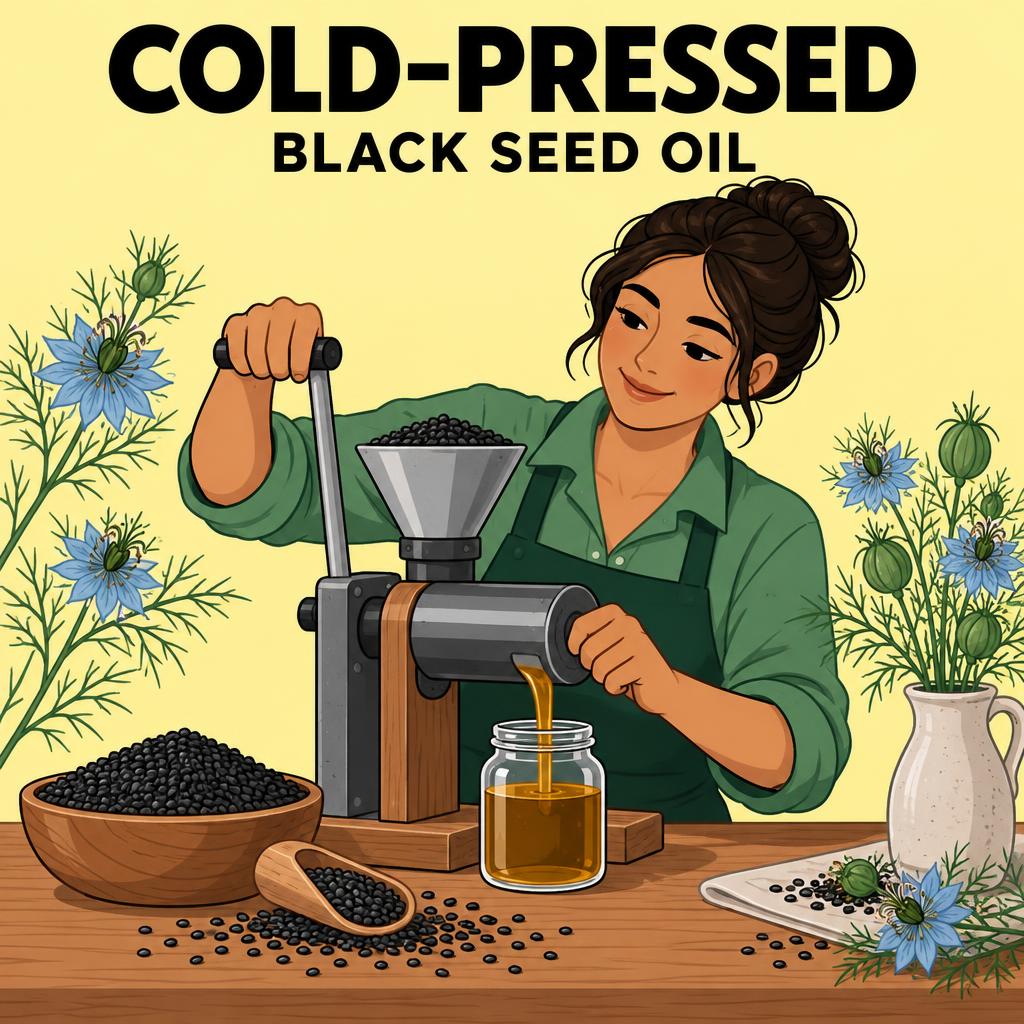
Cold-Pressed Black Seed Oil: Why the Extraction Method Matters in Australia
Understand mechanical pressing, heat and processing claims, plus the batch information that matters more than a cold-pressed label alone.
Black Seed Oil
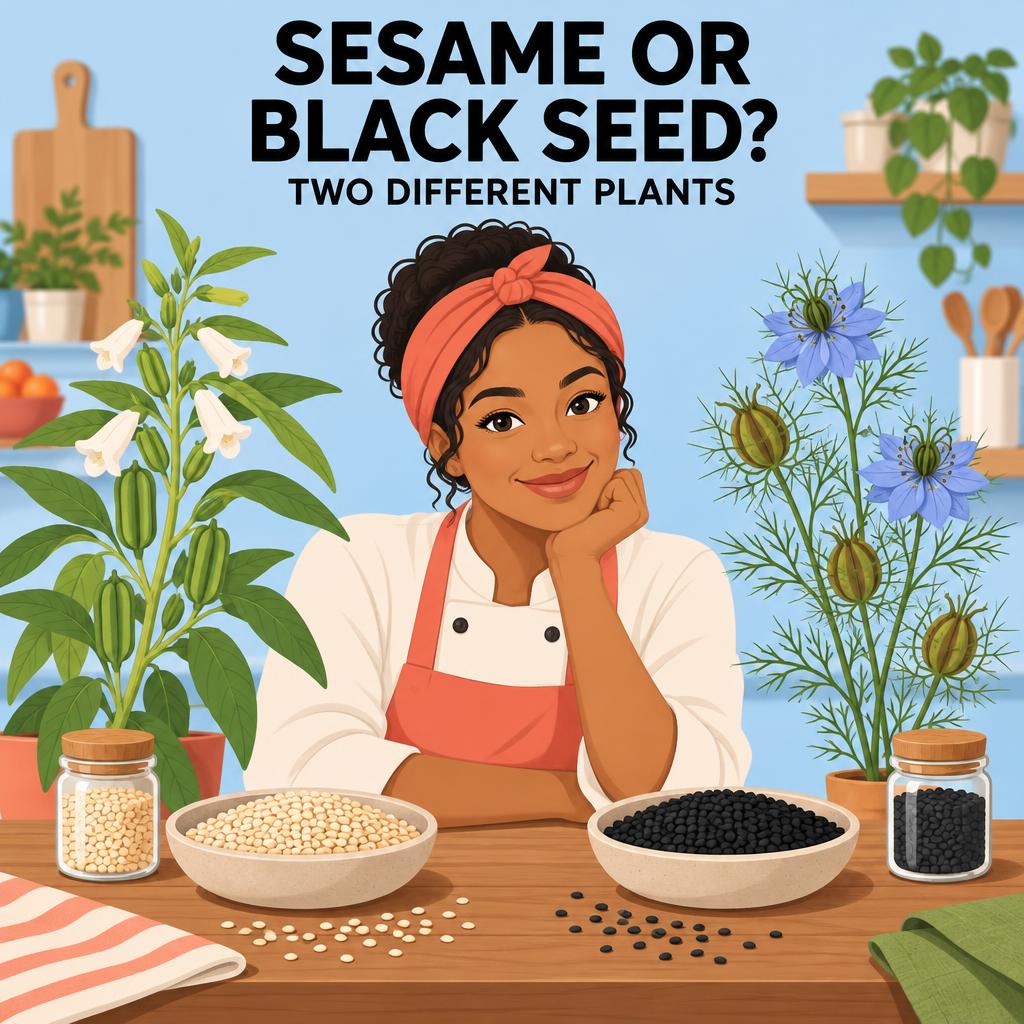
Black Sesame Seed Oil vs Black Seed Oil: What's the Difference? Australian Guide
Black sesame and Nigella sativa are different plants. Compare their names, food uses and product labels before choosing an oil.
Black Seed Oil
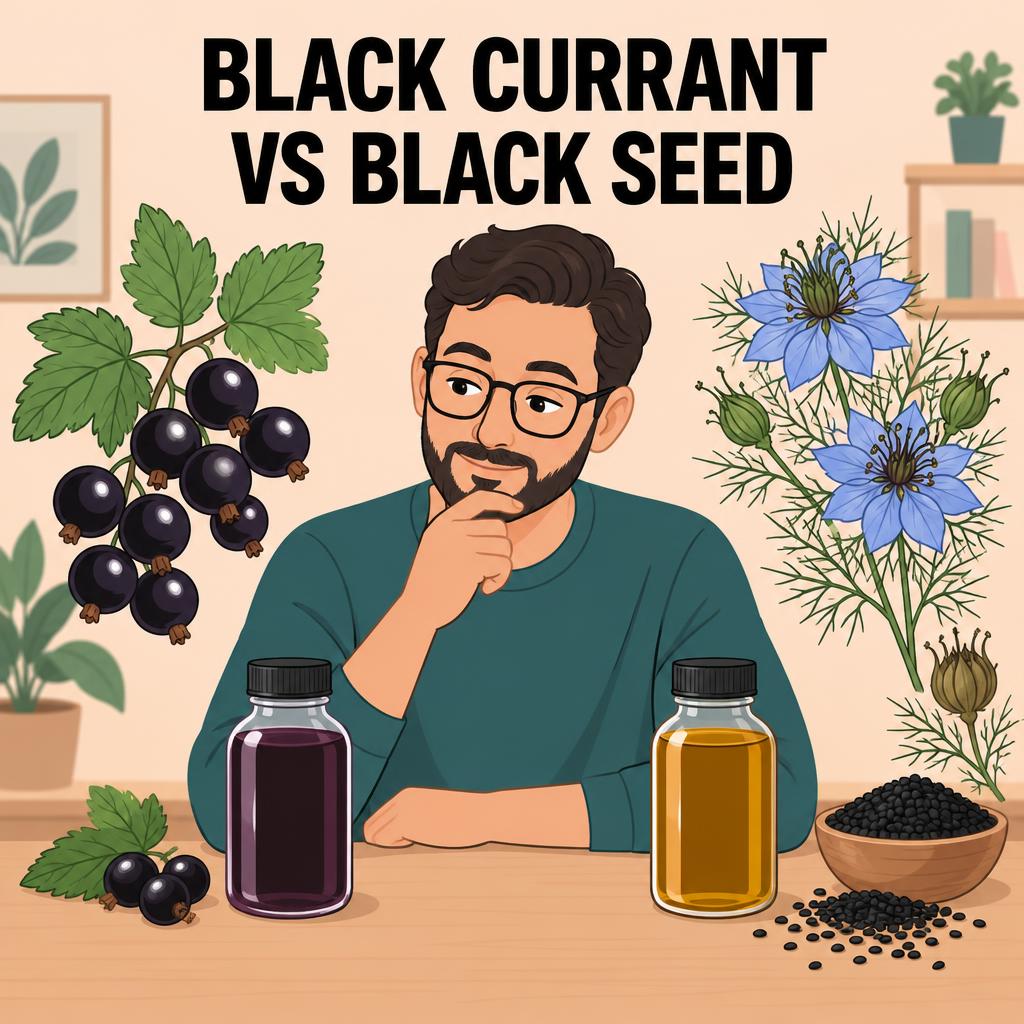
Black Currant Seed Oil vs Black Seed Oil: Don't Mix Them Up in Australia
Learn why black currant berry seed oil and Nigella black seed oil are different ingredients, and how to check the right product label.
Sources
- Li Z, et al. Nigella sativa and health outcomes: An overview of systematic reviews and meta-analyses. Frontiers in Nutrition. 2023;10:1107750.
- Ahmad A, et al. A review on therapeutic potential of Nigella sativa: A miracle herb. Asian Pacific Journal of Tropical Biomedicine. 2013;3(5):337–352.
- National Center for Complementary and Integrative Health. Using Dietary Supplements Wisely.
