United Kingdom
Black Seed Oil in the UK: How to Choose a Quality Oil
The UK market has plenty of black seed oils. Here is how to spot a quality one: species, pressing, thymoquinone and freshness.
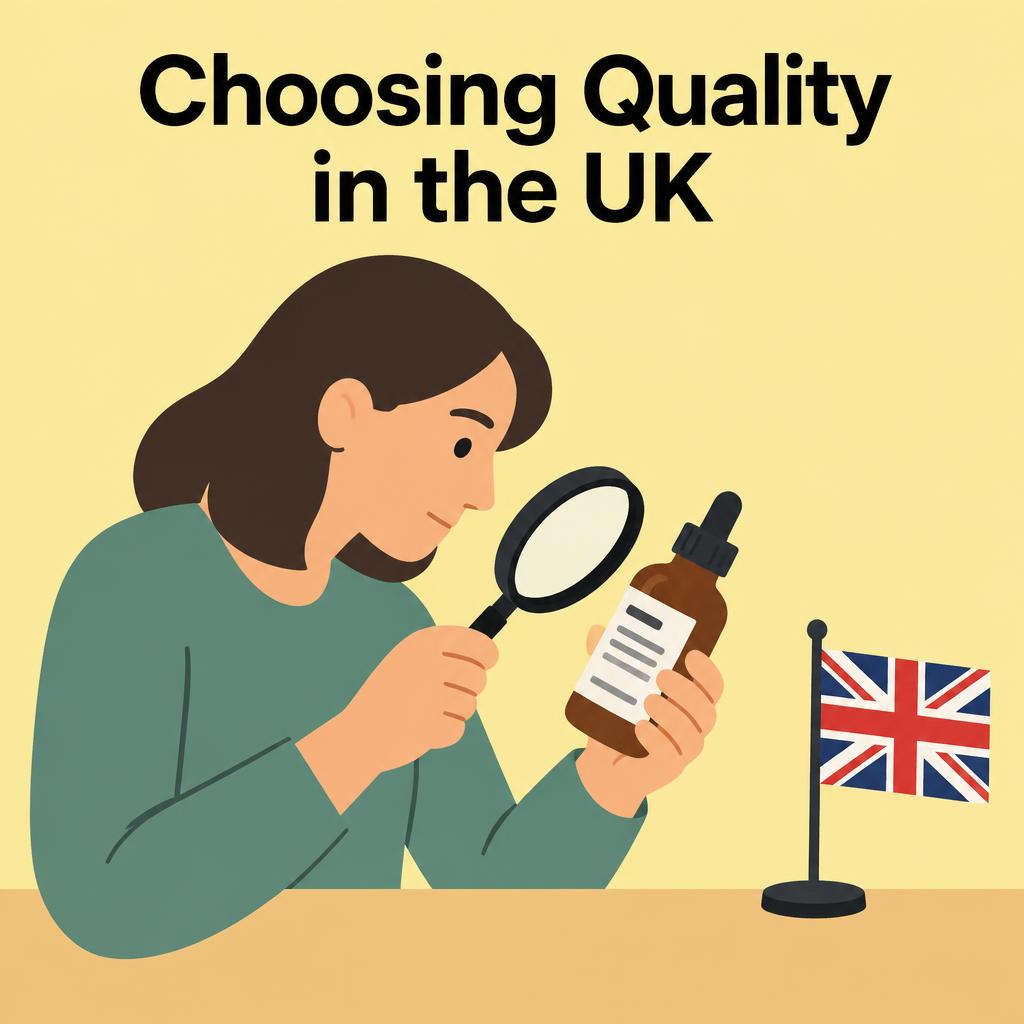
Key takeaways
- The label should name Nigella sativa and state the oil amount per serving.
- Cold-pressed oil in dark glass protects the delicate compounds.
- A stated thymoquinone content is the strongest quality signal.
Black seed oil is widely available in the UK, from high street shops to online specialists. Quality varies more than the labels suggest. Here is how to choose well.
Start with the species
The label should name Nigella sativa. Vague terms like black cumin oil without the species name leave room for doubt about what seed was actually pressed.[1]
Check the pressing
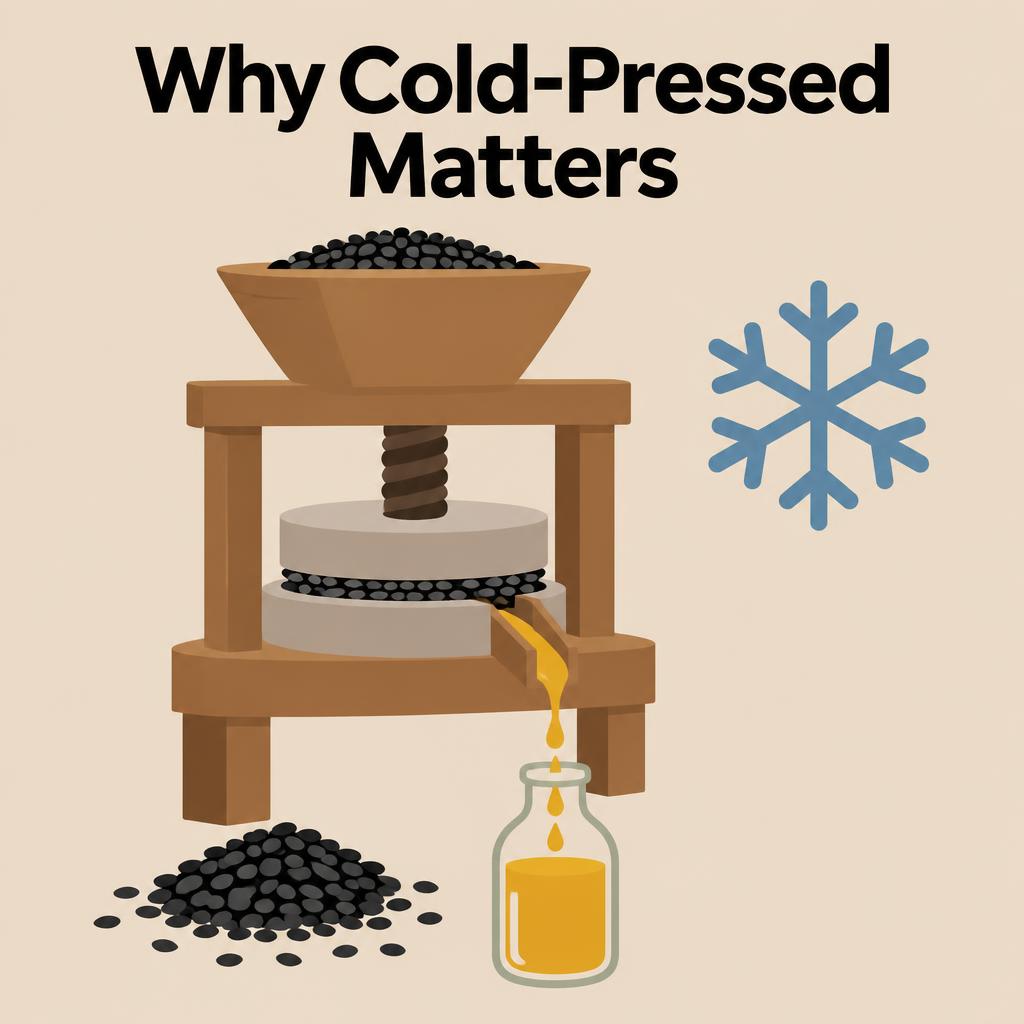
Cold-pressed oil is extracted without heat, which protects the delicate compounds the research focuses on.[2] If the label does not say cold-pressed, it probably is not.
Look for thymoquinone content
Thymoquinone is black seed oil's signature active compound, and a stated percentage shows the maker tests their batches. It is the single strongest quality signal on a label.[1]
Packaging and freshness
- Dark glass bottles protect the oil from light.
- A pressing or best-before date tells you about freshness.
- Smaller bottles stay fresher once opened; a 50 mL bottle is a practical size.
UK buying notes
UK food supplement rules mean labels cannot claim to treat disease, so be wary of any product that does.[3] Buying from a brand that publishes its testing and answers questions is worth more than a flashy label.
Antidote Supplements
Antidote Supplements Ethiopian Black Seed Oil comes as 50 mL liquid drops; follow the label directions.
The bottom line
Choose black seed oil by species name, cold pressing, stated thymoquinone content and fresh, dark packaging. Modest, transparent labels beat bold claims.
Medical reviewer
Dr Nidham Oda
MBChB, FRACGP
Read this next

Buying Guides
Organic Black Seed Oil: Is It Worth Paying More?
Organic black seed oil costs more. Here is what the organic label actually guarantees and when it is worth the extra.
How to Use
Black Seed Oil Capsules vs Liquid: Which Is Better?
Capsules or liquid drops? Here is how the two formats compare on taste, convenience, dose control and value.
Comparisons
Black Cumin Seed Oil Tablets vs Capsules vs Oil
Tablets, capsules or liquid oil: which black cumin seed oil format is right for you, and what each does best.
Comparisons
Black Seed Oil Pills: Do They Work as Well as the Oil?
Do black seed oil pills work as well as the liquid oil? What the evidence and the practical differences say.
Buying Guides
Cold-Pressed Black Seed Oil: Why the Extraction Method Matters
What cold-pressed actually means for black seed oil, why it matters for quality, and how to spot the real thing.
Black Seed Oil
Black Seed Oil: Benefits, Uses and Side Effects (Complete Guide)
The complete UK guide to black seed oil: what it is, what the research shows, how to take it and who should check first.
Sources
- Ahmad A, et al. A review on therapeutic potential of Nigella sativa: A miracle herb. Asian Pacific Journal of Tropical Biomedicine. 2013;3(5):337–352.
- Li Z, et al. Nigella sativa and health outcomes: An overview of systematic reviews and meta-analyses. Frontiers in Nutrition. 2023;10:1107750.
- NHS. Vitamins, supplements and nutrition: herbal remedies and supplements.
