United Kingdom
Organic Black Seed Oil: Is It Worth Paying More?
Organic black seed oil costs more. Here is what the organic label actually guarantees and when it is worth the extra.

Key takeaways
- Organic certification guarantees how the seeds were grown, not the oil's potency.
- Thymoquinone content and freshness matter as much as the organic label.
- Certified organic is worth it if pesticide-free growing matters to you.
Organic black seed oil usually costs more than conventional. Is the premium buying you a better oil? The honest answer is: it depends what you care about.
What organic actually means
Organic certification, such as the Soil Association logo in the UK, guarantees the seeds were grown without synthetic pesticides or fertilisers and that the supply chain is audited. It is a meaningful standard for how the crop was farmed.[1]
What it does not guarantee
- Higher thymoquinone: the active compound's level depends on the seed variety, growing conditions and freshness, not certification.
- Better pressing: cold pressing is a separate choice the maker makes.
- Fresher oil: storage and bottling date matter regardless of organic status.
When it is worth paying more
If avoiding pesticide residues and supporting audited farming matters to you, certified organic is worth the premium. If your priority is potency, put your money toward a stated thymoquinone content and recent pressing date first, then treat organic as a bonus.
How to check
Look for a recognised certification logo and a certificate number, not just the word organic in the product name. Genuine certification can be verified with the certifying body.
Antidote Supplements
Antidote Supplements Ethiopian Black Seed Oil comes as 50 mL liquid drops; follow the label directions.
The bottom line
Organic certification guarantees farming standards, not potency. Pay for it if pesticide-free growing matters to you, but check thymoquinone content and freshness first.
Medical reviewer
Dr Chinedu Oraetue
MBBS, FRACGP
Read this next
Buying Guides
Black Seed Oil in the UK: How to Choose a Quality Oil
The UK market has plenty of black seed oils. Here is how to spot a quality one: species, pressing, thymoquinone and freshness.
Black Seed Oil
Black Seed Oil: Benefits, Uses and Side Effects (Complete Guide)
The complete UK guide to black seed oil: what it is, what the research shows, how to take it and who should check first.
Comparisons
Black Cumin Seed Oil Tablets vs Capsules vs Oil
Tablets, capsules or liquid oil: which black cumin seed oil format is right for you, and what each does best.
Comparisons
Black Seed Oil Pills: Do They Work as Well as the Oil?
Do black seed oil pills work as well as the liquid oil? What the evidence and the practical differences say.
Buying Guides
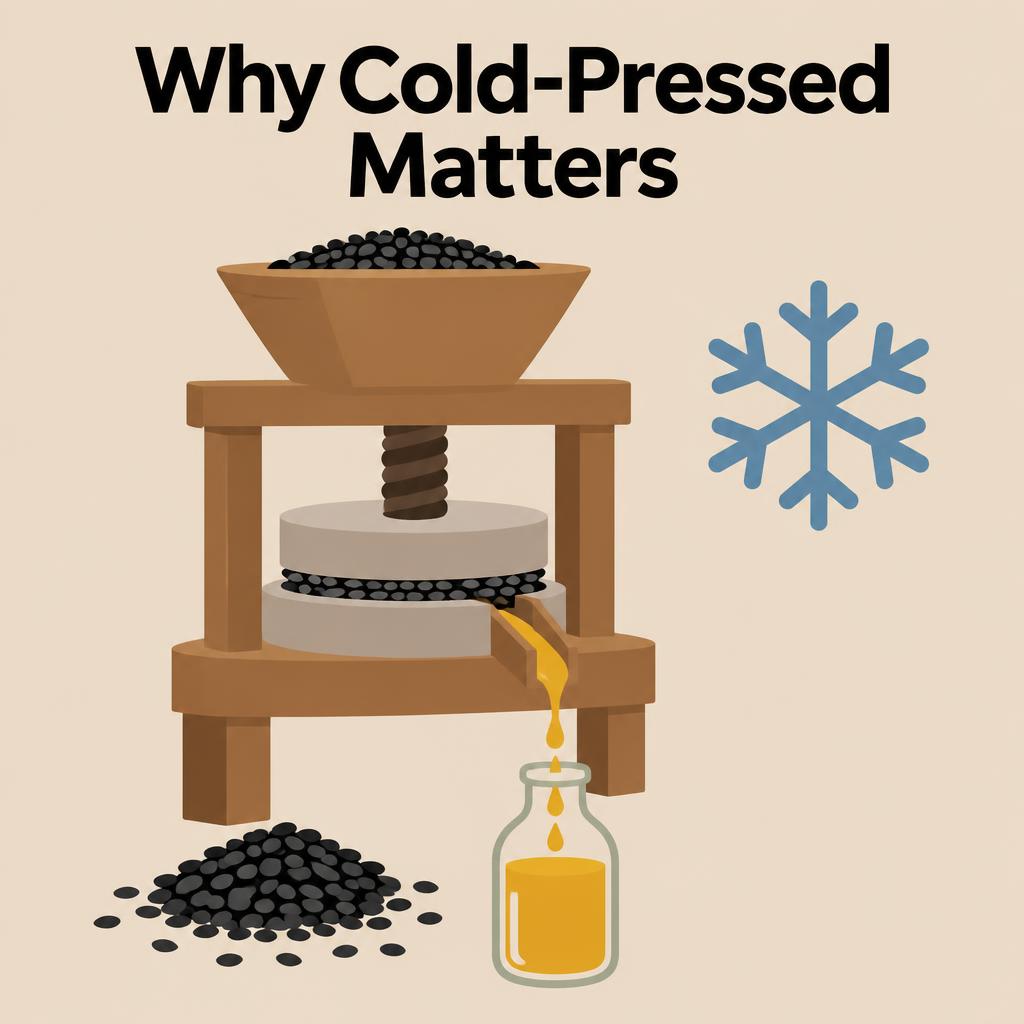
Cold-Pressed Black Seed Oil: Why the Extraction Method Matters
What cold-pressed actually means for black seed oil, why it matters for quality, and how to spot the real thing.
Black Seed Oil
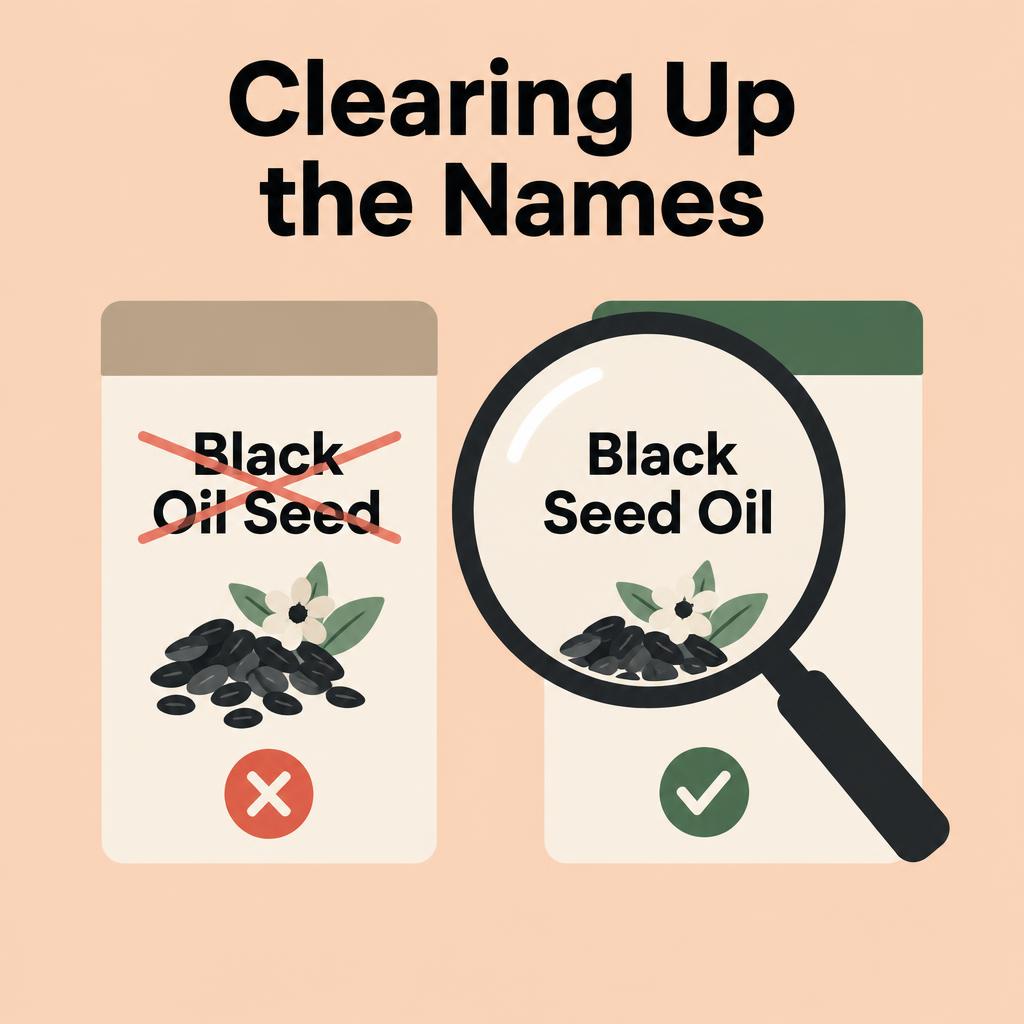
Black Oil Seed Oil or Black Seed Oil? Clearing Up the Names
Black oil seed oil, black seed oil, black cumin: the names get tangled. Here is what each one actually means.
Sources
- Ahmad A, et al. A review on therapeutic potential of Nigella sativa: A miracle herb. Asian Pacific Journal of Tropical Biomedicine. 2013;3(5):337–352.
- Li Z, et al. Nigella sativa and health outcomes: An overview of systematic reviews and meta-analyses. Frontiers in Nutrition. 2023;10:1107750.
- NHS. Vitamins, supplements and nutrition: herbal remedies and supplements.
