United States
Black Currant Seed Oil vs Black Seed Oil: Don't Mix Them Up
Black currant seed oil and black seed oil sound alike but come from completely different plants and do different things. Here is how to tell them apart.
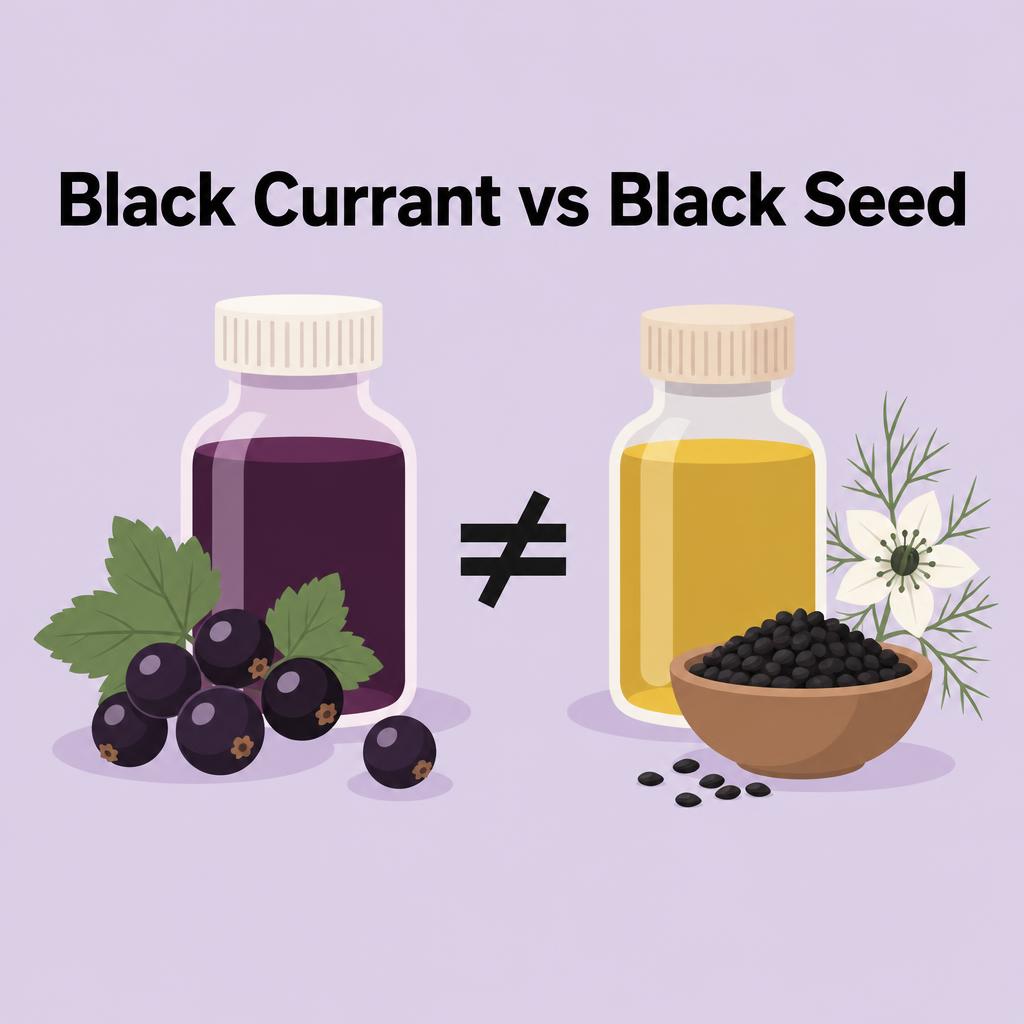
Key takeaways
- Black seed oil comes from Nigella sativa; black currant seed oil comes from the blackcurrant berry.
- Black seed oil's key compound is thymoquinone; black currant seed oil is prized for GLA, an omega-6 fat.
- Their researched benefits barely overlap.
- Check the Latin name on the label to be sure which one you are buying.
Two completely different plants
Despite the similar names, these oils share nothing botanically. Black seed oil is pressed from the seeds of Nigella sativa, a flowering plant in the buttercup family native to the Middle East, Africa and South Asia. Black currant seed oil is pressed from the seeds of the blackcurrant berry, Ribes nigrum. Different plants, different chemistry, different uses.
Different active compounds
Black seed oil's signature compound is thymoquinone, an antioxidant studied across dozens of human trials for immune, metabolic and inflammatory support. Black currant seed oil is valued for its fatty acid profile, particularly gamma-linolenic acid (GLA), an omega-6 fat also found in evening primrose and borage oils. If a benefit is attributed to thymoquinone, black currant seed oil cannot deliver it, and vice versa.
What each is taken for
Black seed oil's human research covers blood sugar, cholesterol, blood pressure, airways and inflammation, plus popular skin and hair uses. Black currant seed oil is typically taken for its GLA content, in the same general category as evening primrose oil. People searching for the famous black seed benefits and buying black currant seed oil by mistake end up with a different supplement entirely.
Why the confusion happens
The names are genuinely easy to mix up, especially when shopping quickly online. Search results and marketplace listings sometimes lump them together. The fix is simple: check the label for the Latin name. Nigella sativa means black seed oil. Ribes nigrum means black currant seed oil.
Which one do you want?
If you arrived here looking for the oil with the long traditional history and the thymoquinone research, that is black seed oil from Nigella sativa. Look for cold-pressed oil with a stated thymoquinone content; Ethiopian seed is prized for naturally high levels. If you specifically want GLA, black currant seed oil is a reasonable source, but that is a different shopping list.
A quick label checklist
For black seed oil, the label should show Nigella sativa, cold-pressed extraction, ideally a thymoquinone percentage, and dark or opaque packaging. Any mention of Ribes nigrum, blackcurrant or GLA content tells you that you are looking at the berry oil instead.
The bottom line
Black seed oil (Nigella sativa) and black currant seed oil (Ribes nigrum) are entirely different supplements. The thymoquinone research belongs to black seed oil; check the Latin name on the label before you buy.
Medical reviewer
Dr Donald Otasowie
MBBS, FRACGP
Read this next
Black Seed Oil
Black Cumin Seed Oil: A Complete Guide
Black cumin seed oil is simply another name for black seed oil, from Nigella sativa. Here is what the name means, what the oil does, and how to use it.
Black Seed Oil
Black Seed Oil: Benefits, Uses and Side Effects (Complete Guide)
Black seed oil has been used for over two thousand years and is now backed by dozens of human trials. Here is the complete picture: benefits, uses and safety.
Black Seed Oil
Black Seed Oil Benefits: 10 Reasons People Take It
From immune support to skin and hair, here are the ten most researched and most loved reasons people take black seed oil every day.
Black Seed Oil
Black Seed Oil Capsules vs Liquid: Which Is Better?
Capsules and liquid deliver the same black seed oil, but they suit different people. Here is an honest comparison to help you pick.
Black Seed Oil
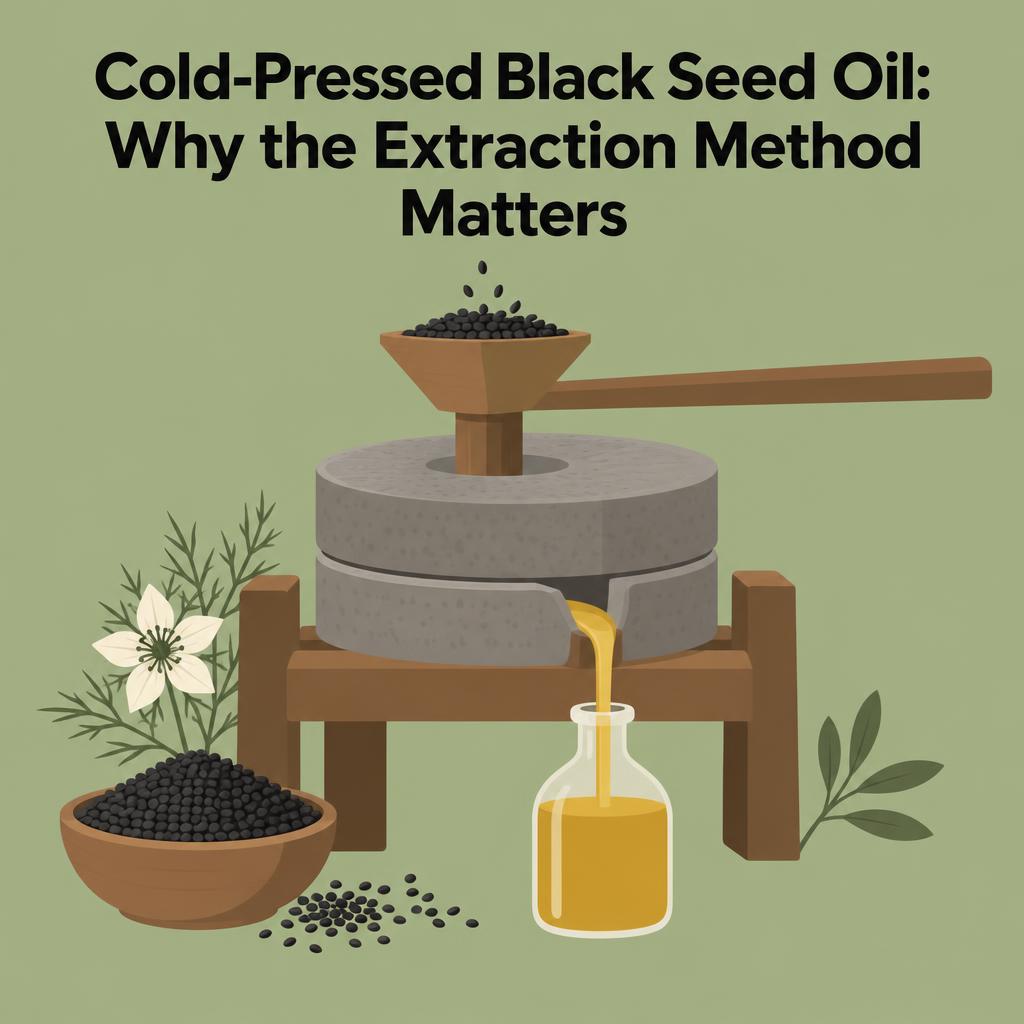
Cold-Pressed Black Seed Oil: Why the Extraction Method Matters
Cold-pressed is more than a marketing phrase for black seed oil. Here is how extraction affects the thymoquinone and quality of the oil you buy.
Black Seed Oil
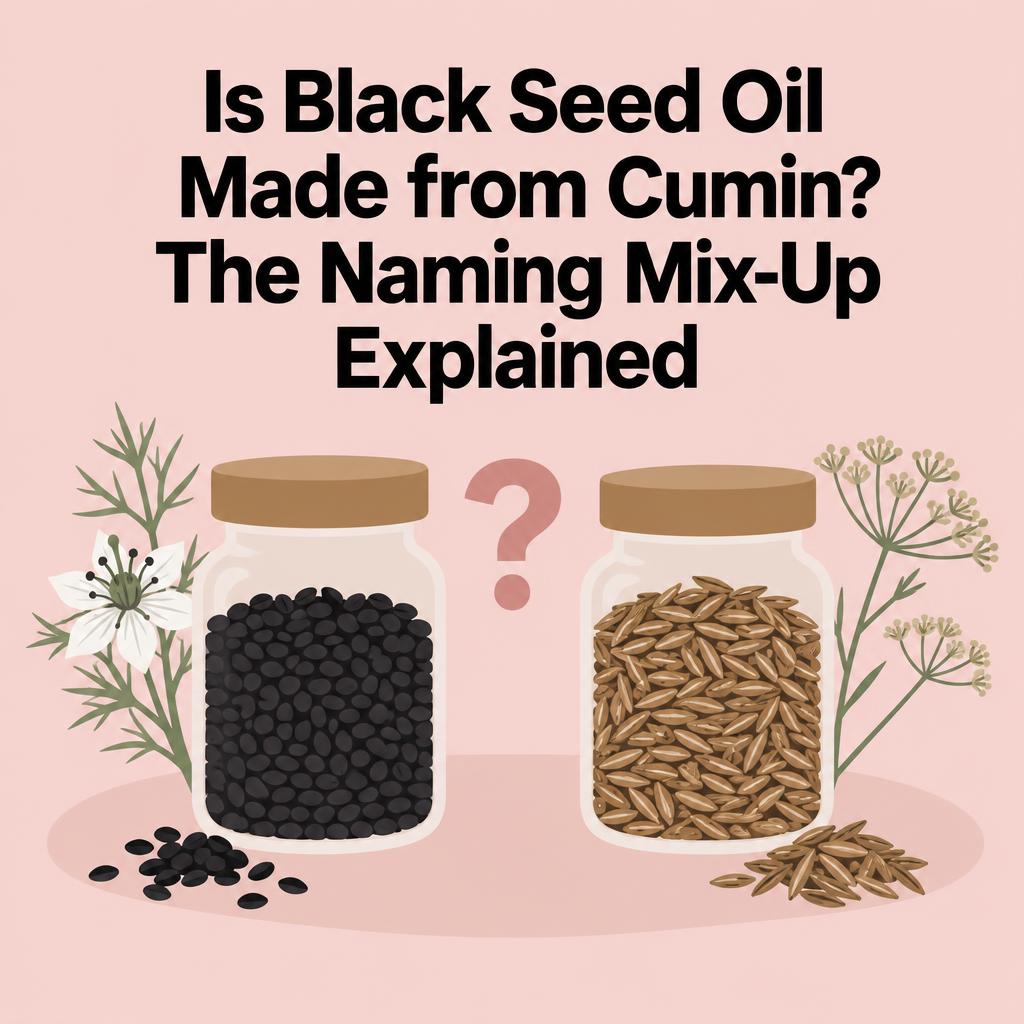
Is Black Seed Oil Made from Cumin? The Naming Mix-Up Explained
Black seed oil is not made from cumin, despite the nicknames. Here is where the confusion comes from and how to be sure you are buying the real thing.
