United States
What Is Black Seed Oil Made From?
Black seed oil comes from the tiny black seeds of the Nigella sativa flower. Here is the plant, the pressing process and why origin matters.
Key takeaways
- Black seed oil is pressed from the seeds of Nigella sativa, a flowering plant in the buttercup family.
- The plant is not related to cumin, caraway or black sesame, despite the confusing nicknames.
- Cold pressing keeps the delicate compounds, including thymoquinone, intact.
- The growing region affects the oil's character; Ethiopian seeds are prized for their potency.
The plant behind the oil
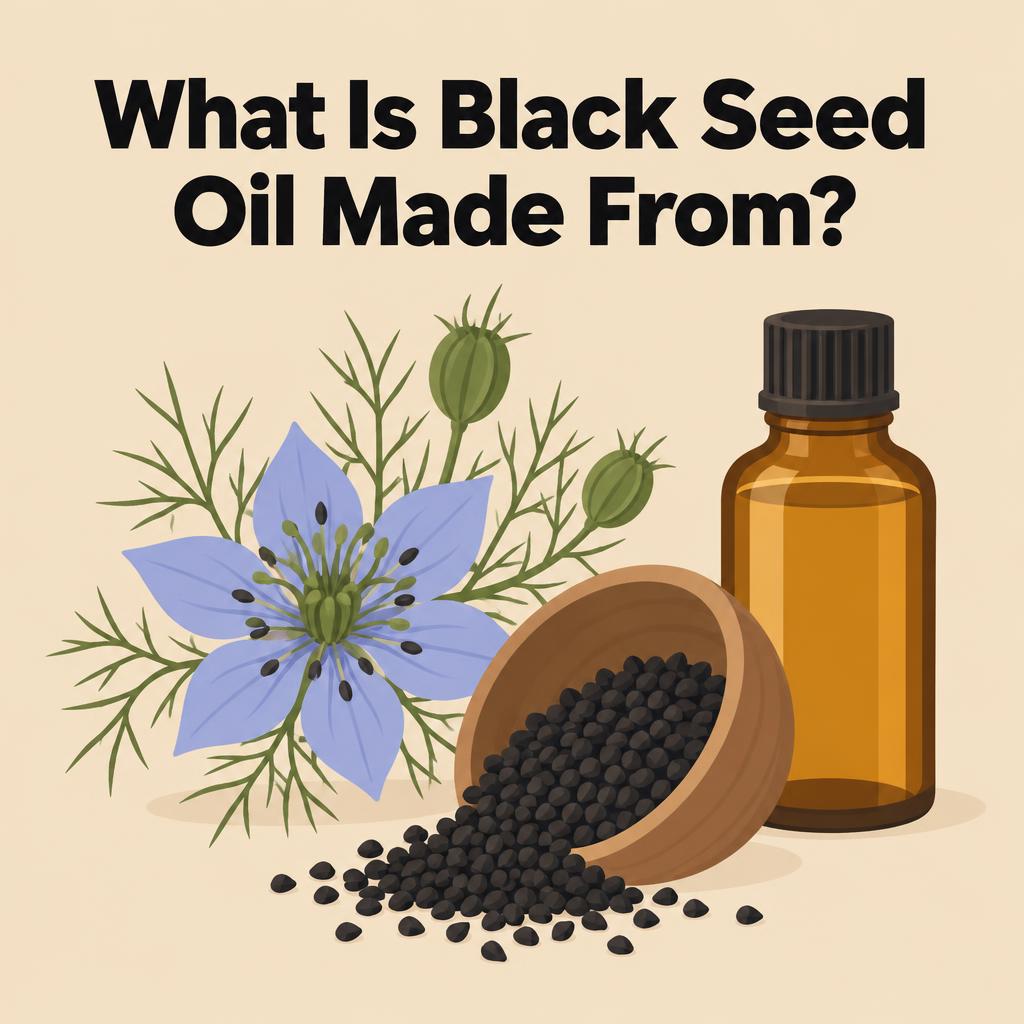
Black seed oil is pressed from the seeds of Nigella sativa, a delicate flowering plant in the buttercup family. It grows pale blue or white flowers, and after flowering it forms a seed pod filled with small, matte black seeds. Those seeds, sometimes called black cumin or kalonji, are the entire source of the oil. Nothing else goes into a pure bottle.
Clearing up the name confusion
Nigella sativa has collected a tangle of nicknames: black cumin, black caraway, kalonji, black onion seed. It is not actually cumin, caraway or onion, and it has no relation to black sesame either. The only name that never causes confusion is the botanical one, Nigella sativa, which is why quality labels use it.
How the oil is made
The best black seed oil is cold pressed: the seeds are cleaned, then slowly pressed without heat or chemical solvents, so the oil keeps its full spectrum of fatty acids and its signature compound, thymoquinone. Heat and solvent extraction are faster and cheaper, but they can degrade the very compounds people buy the oil for. The result of cold pressing is a dark amber oil with a peppery, slightly bitter taste.
Why origin matters
Like wine grapes or coffee beans, Nigella sativa seeds take on the character of where they grow. Soil, altitude and climate all influence the seed's oil content and thymoquinone level. Ethiopian black seeds have a long-standing reputation for potency, which is why some brands build their entire product around Ethiopian sourcing.
From seed to your shelf
Antidote Supplements Ethiopian Black Seed Oil is cold pressed from Ethiopian Nigella sativa seeds and bottled as a pure liquid oil, with nothing added. For those who prefer softgels, the same oil anchors the Ethiopian Black Seed Oil With Oil of Oregano softgels, delivering 3,000mg per serving with up to 4.64% naturally occurring thymoquinone.
The bottom line
Black seed oil is cold pressed from the seeds of the Nigella sativa flower, a plant unrelated to cumin or caraway despite the nicknames. Cold pressing preserves the thymoquinone, and the growing region shapes the oil's quality, with Ethiopian seeds among the most prized.
Medical reviewer
Dr Chinedu Oraetue
MBBS, FRACGP
Read this next
Black Seed Oil
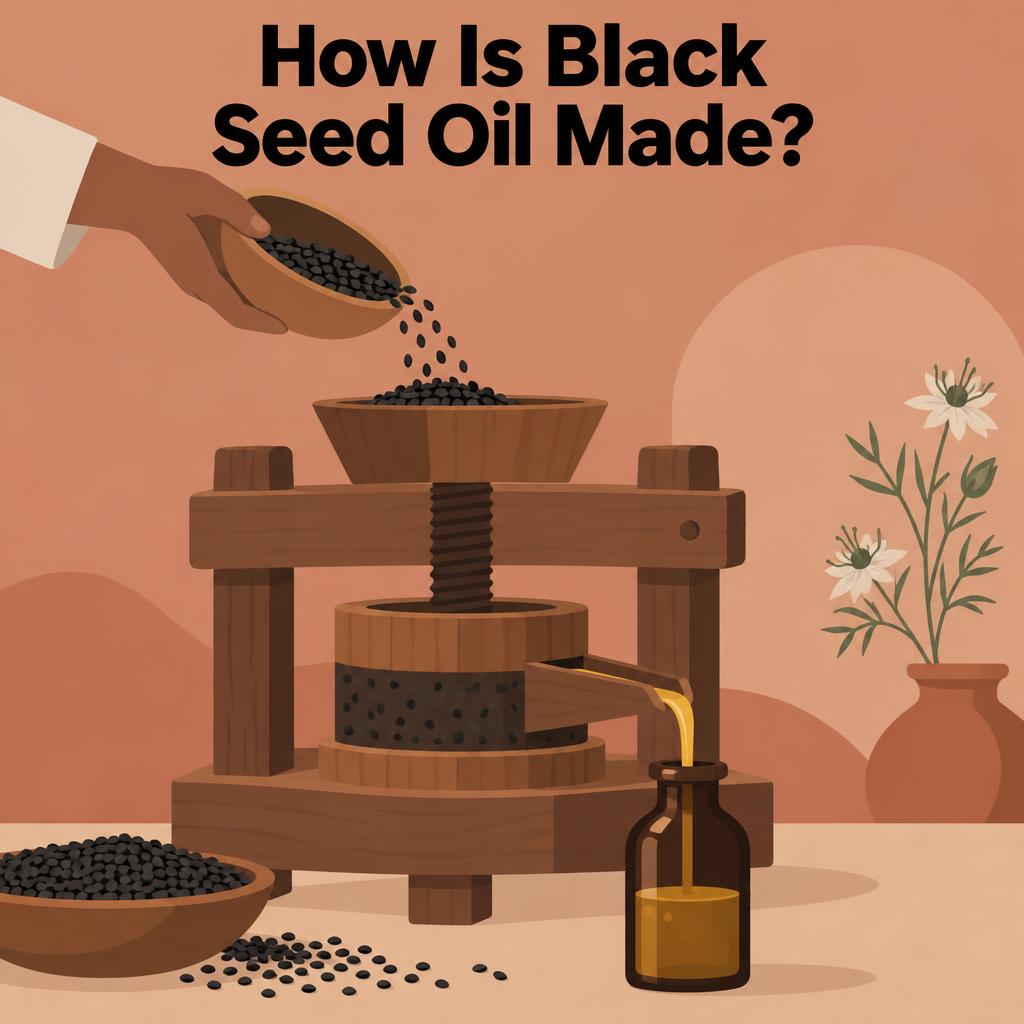
How Is Black Seed Oil Made? (And Can You Make It at Home?)
Black seed oil is made by cold-pressing Nigella sativa seeds. Here is how the process works, and why home pressing rarely pays off.
Black Seed Oil
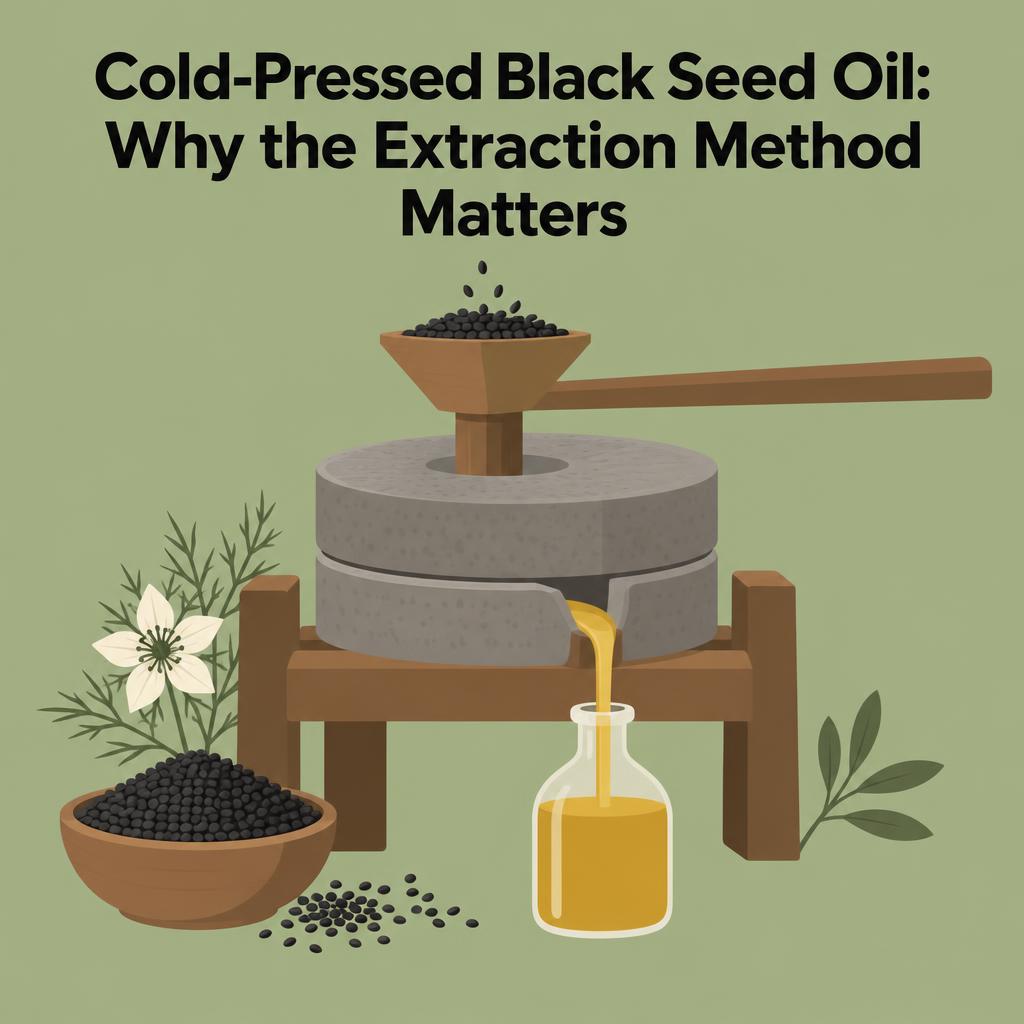
Cold-Pressed Black Seed Oil: Why the Extraction Method Matters
Cold-pressed is more than a marketing phrase for black seed oil. Here is how extraction affects the thymoquinone and quality of the oil you buy.
Black Seed Oil
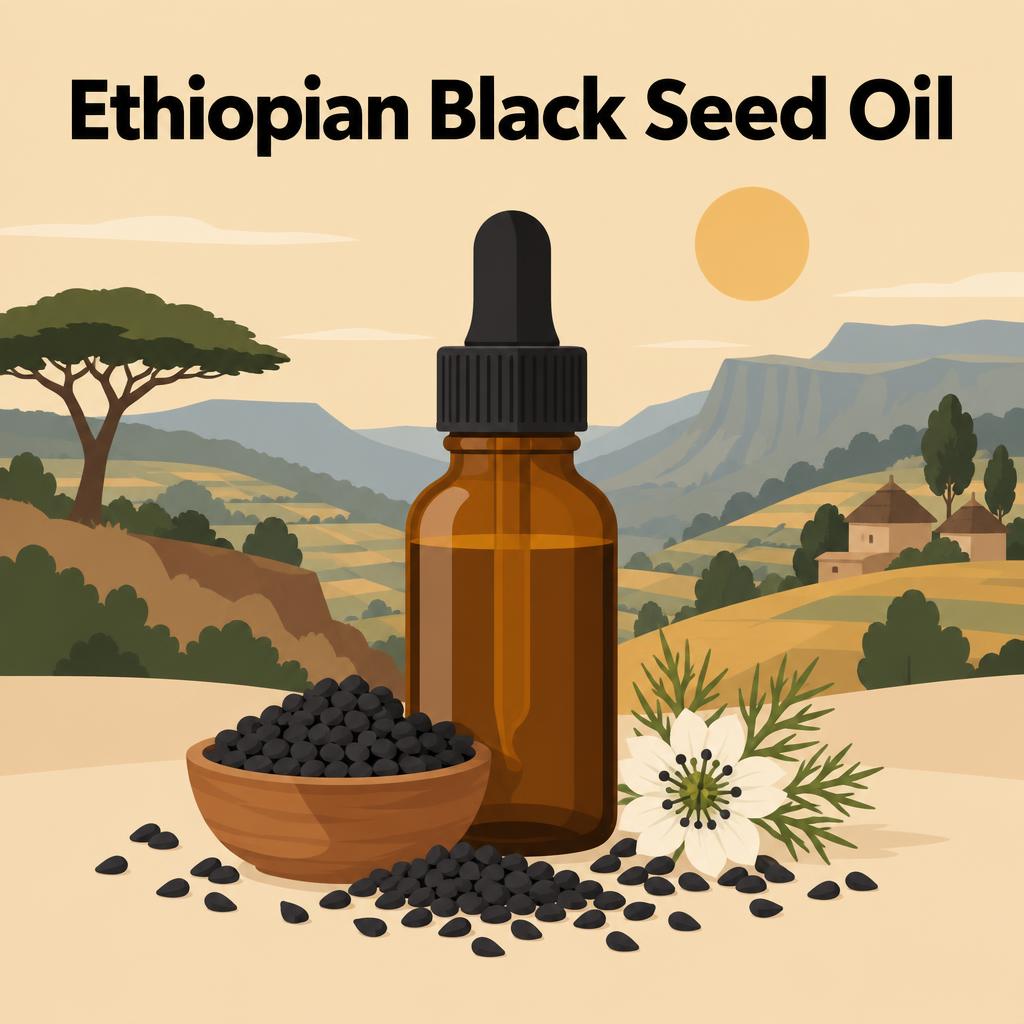
Ethiopian Black Seed Oil: What Makes It Different?
Ethiopian black seed oil has a reputation as the most potent in the world. Here is why the origin matters and what to look for on the label.
Black Seed Oil
Black Seed Oil: Benefits, Uses and Side Effects (Complete Guide)
Black seed oil has been used for over two thousand years and is now backed by dozens of human trials. Here is the complete picture: benefits, uses and safety.
Black Seed Oil
Black Seed Oil Benefits: 10 Reasons People Take It
From immune support to skin and hair, here are the ten most researched and most loved reasons people take black seed oil every day.
Black Seed Oil
Black Cumin Seed Oil: A Complete Guide
Black cumin seed oil is simply another name for black seed oil, from Nigella sativa. Here is what the name means, what the oil does, and how to use it.
