United States
Where Does Black Seed Oil Come From?
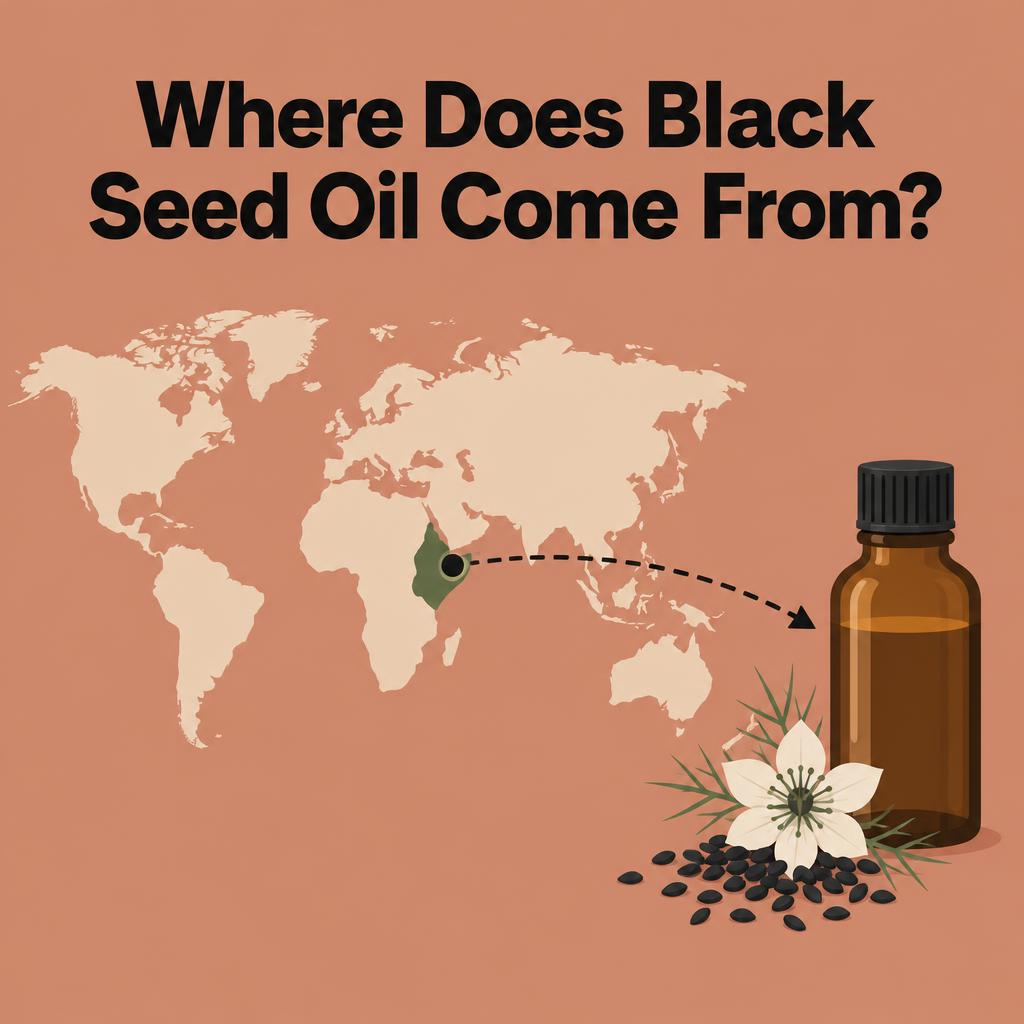
Black seed oil comes from the Nigella sativa plant, grown across the Middle East, South Asia and Northeast Africa. Here is the journey from field to bottle.
Key takeaways
- Black seed oil is pressed from Nigella sativa seeds, grown mainly in the Middle East, South Asia and Northeast Africa.
- The plant has been cultivated and used in these regions for well over two thousand years.
- Ethiopian seeds are especially prized for their rich oil and thymoquinone content.
- From harvest to bottle: seeds are cleaned, cold pressed, filtered and bottled, ideally with nothing added.
The growing regions
Nigella sativa thrives in the dry, sunny belt stretching from the Mediterranean through the Middle East and across to South Asia, with Ethiopia and the Horn of Africa among its most celebrated growing regions. The plant has been cultivated in these areas for millennia; black seeds were famously found in Tutankhamun's tomb, and the oil appears in traditional wellness practices across every one of these regions.
A short history
Few supplements have a pedigree like black seed. It appears in ancient Egyptian, Greek and Unani traditions, and it holds a special place in Middle Eastern culture, where it has been a household remedy for generations. This long, continuous use is part of why modern researchers took an interest: traditions that survive two thousand years usually have something behind them.
Why Ethiopian seeds stand out
Within the growing belt, Ethiopian black seeds have a particular reputation. The altitude, soil and climate produce seeds with a rich oil content and high levels of thymoquinone, the compound behind most of the research. Much like single-origin coffee, the origin is not just a story; it shows up in the character of the oil.
From field to bottle
After harvest, the seed pods are dried and threshed to release the seeds, which are then cleaned and sorted. Quality producers cold press the seeds slowly, without heat or solvents, then filter and bottle the oil in dark glass to protect it from light. A pure black seed oil contains exactly one ingredient: the pressed oil of Nigella sativa seeds.
Bringing the origin to your door
Antidote Supplements Ethiopian Black Seed Oil is cold pressed from Ethiopian seeds and bottled as a pure liquid, while the same oil anchors the Ethiopian Black Seed Oil With Oil of Oregano softgels at 3,000mg per serving, with up to 4.64% naturally occurring thymoquinone. Both ship across the US.
The bottom line
Black seed oil comes from Nigella sativa, grown across the Middle East, South Asia and Northeast Africa and used there for over two thousand years. Ethiopian seeds are prized for their potency, and the best oils are cold pressed and bottled pure, with the origin stated on the label.
Medical reviewer
Dr Shasi Prahalapan
MBBS
Read this next
Black Seed Oil
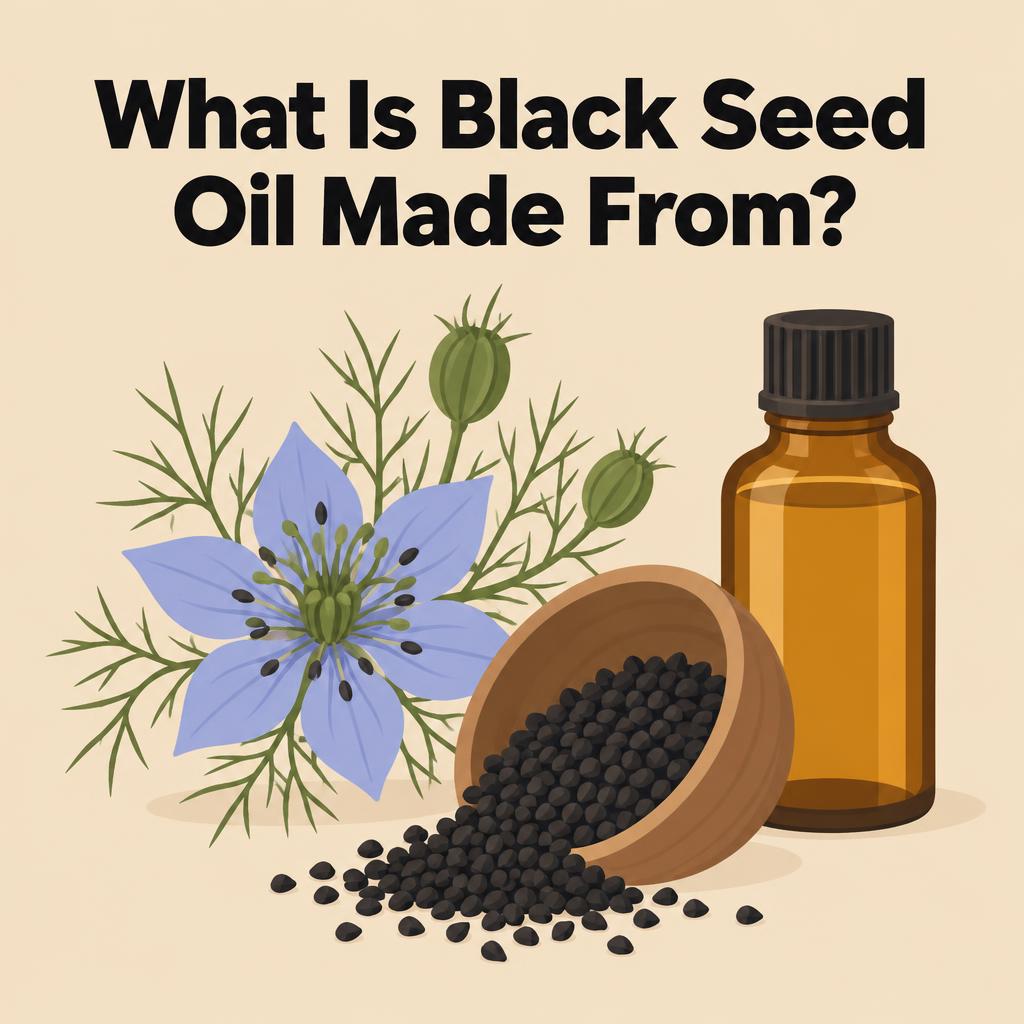
What Is Black Seed Oil Made From?
Black seed oil comes from the tiny black seeds of the Nigella sativa flower. Here is the plant, the pressing process and why origin matters.
Black Seed Oil
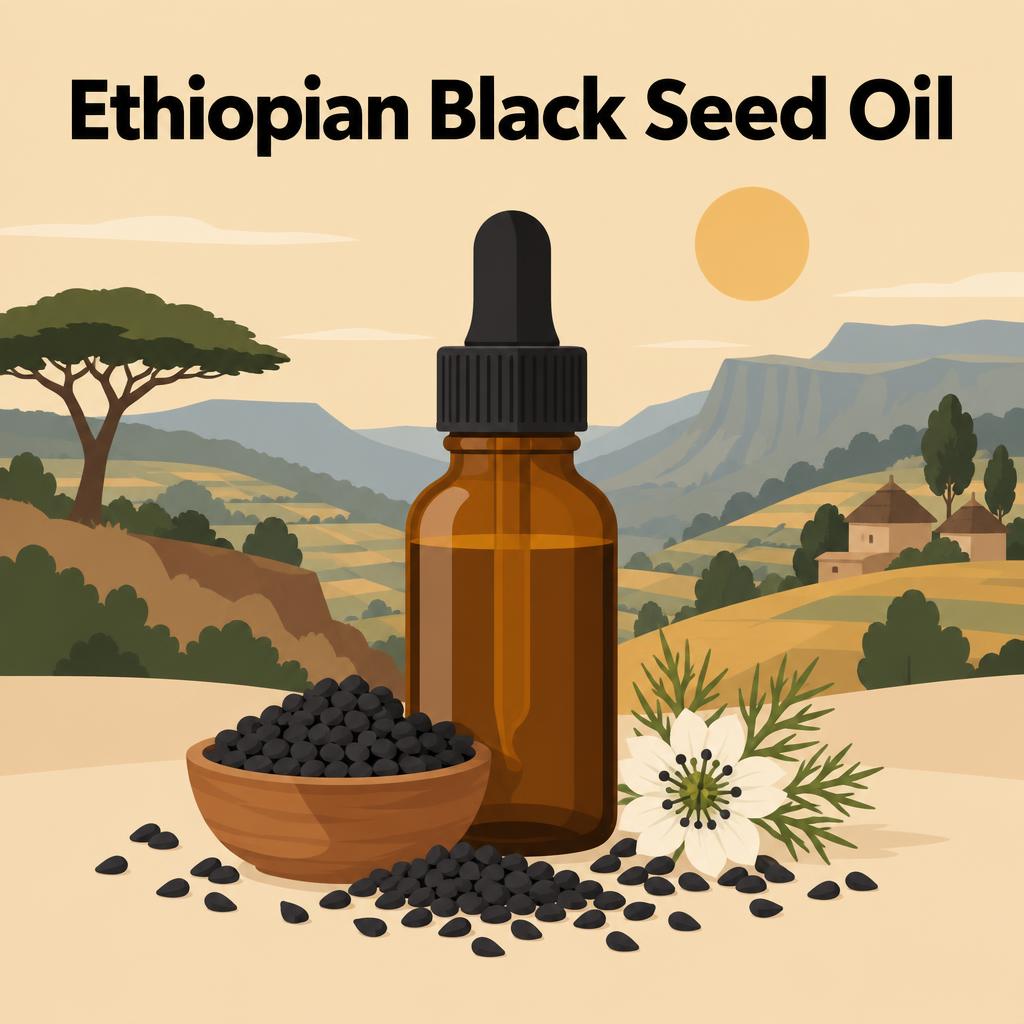
Ethiopian Black Seed Oil: What Makes It Different?
Ethiopian black seed oil has a reputation as the most potent in the world. Here is why the origin matters and what to look for on the label.
Black Seed Oil
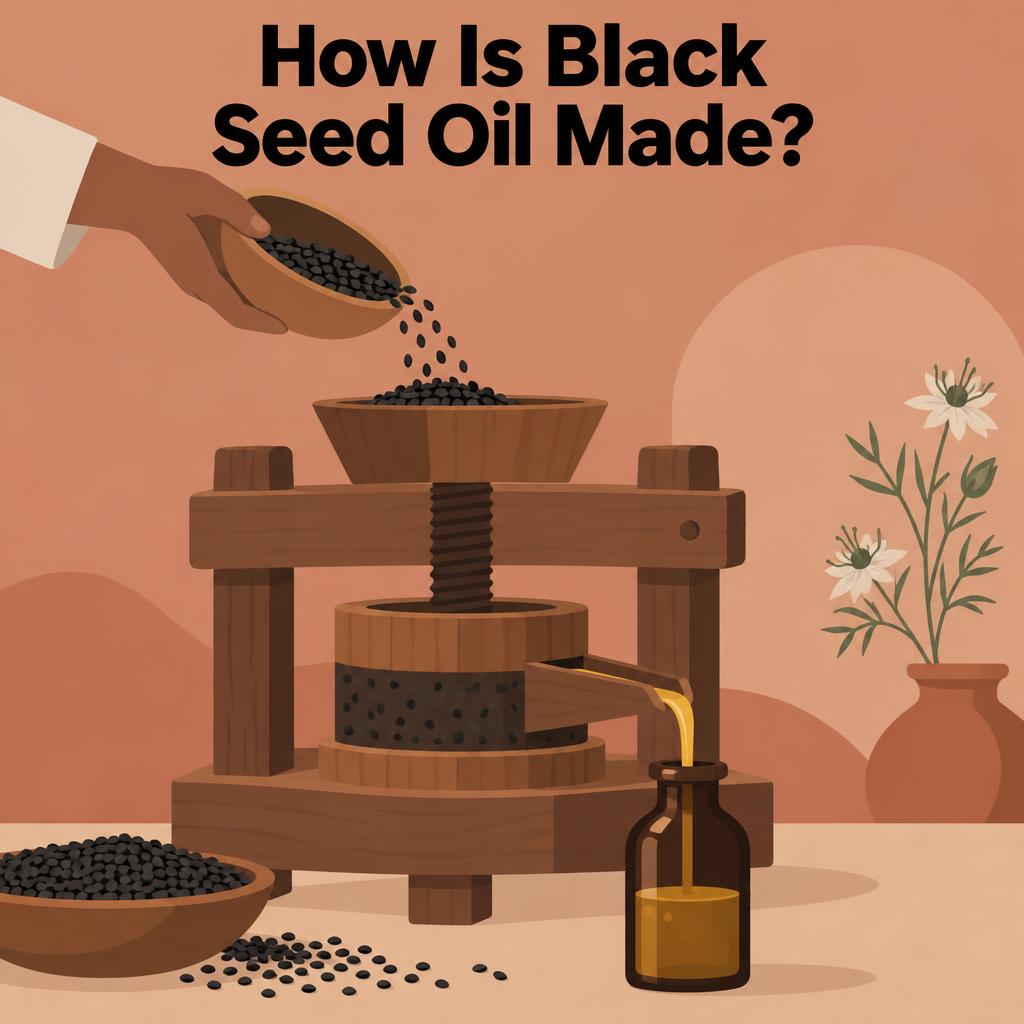
How Is Black Seed Oil Made? (And Can You Make It at Home?)
Black seed oil is made by cold-pressing Nigella sativa seeds. Here is how the process works, and why home pressing rarely pays off.
Black Seed Oil
Black Seed Oil: Benefits, Uses and Side Effects (Complete Guide)
Black seed oil has been used for over two thousand years and is now backed by dozens of human trials. Here is the complete picture: benefits, uses and safety.
Black Seed Oil
Black Seed Oil Benefits: 10 Reasons People Take It
From immune support to skin and hair, here are the ten most researched and most loved reasons people take black seed oil every day.
Black Seed Oil
Black Cumin Seed Oil: A Complete Guide
Black cumin seed oil is simply another name for black seed oil, from Nigella sativa. Here is what the name means, what the oil does, and how to use it.
